


What is Rustic Interior Design? A Complete Guide for 2026
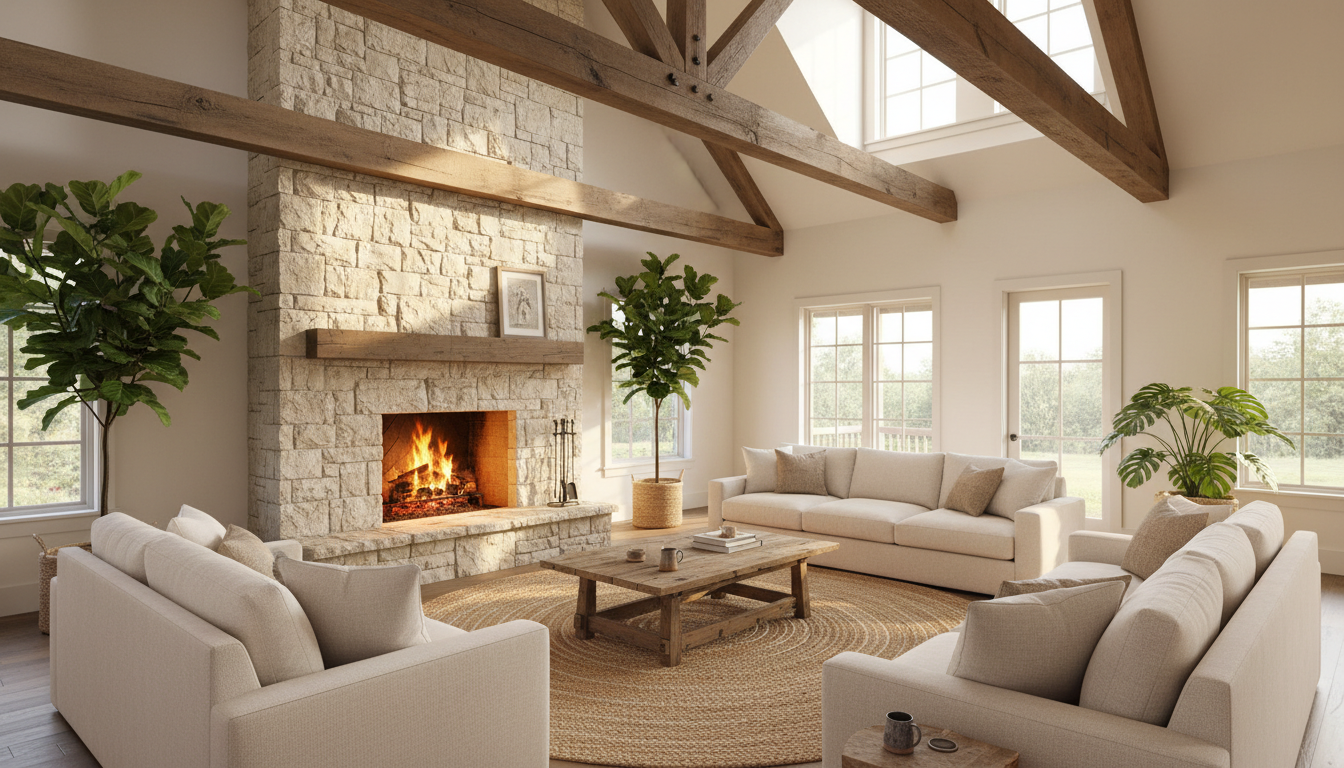
There’s a unique comfort found in rustic interior design—it’s a style that feels like a warm hug, full of character and deeply connected to nature. It’s about creating an atmosphere that is unpretentious, cozy, and timeless. But how do you translate that feeling into your own space? Visualizing major changes like exposed beams or a stone accent wall can be challenging. This is where AI-powered tools can become invaluable, allowing you to experiment with different rustic elements and see how they transform your rooms before you commit. Whether you're drawn to a classic log cabin feel or a more contemporary modern rustic look, this guide will walk you through creating a home that is both beautiful and authentically yours.
What is Rustic Interior Design?
Rustic interior design is a style that emphasizes natural, raw, aged, and organic materials. It stands in contrast to sleek, polished modern design, instead celebrating the beauty of imperfection. The style traces its roots to the early 19th-century homesteaders in North America, who built their homes using handcrafted, locally sourced materials out of necessity. Today, the style has evolved but its core philosophy remains: creating a warm, inviting, and unpretentious space that feels grounded and connected to the natural world.
The Key Characteristics of Rustic Style
To achieve a rustic look, focus on incorporating these core elements. They work together to build a layered, comfortable, and visually interesting space.
- Natural Materials: This is the cornerstone of rustic design. Think wood and stone. These materials are often left in their raw or minimally processed state to highlight their inherent texture and beauty.
- Reclaimed Wood: Weathered and worn wood with a history is a hallmark of the style. It’s commonly used for exposed wood beams, flooring, accent walls, and furniture.
- Earthy and Neutral Color Palette: The color scheme is pulled directly from nature. It’s dominated by warm neutrals like beige, cream, and taupe, alongside earthy tones of brown, muted green, and soft gray. Pops of color, like deep reds or blues, can be used sparingly as accents.
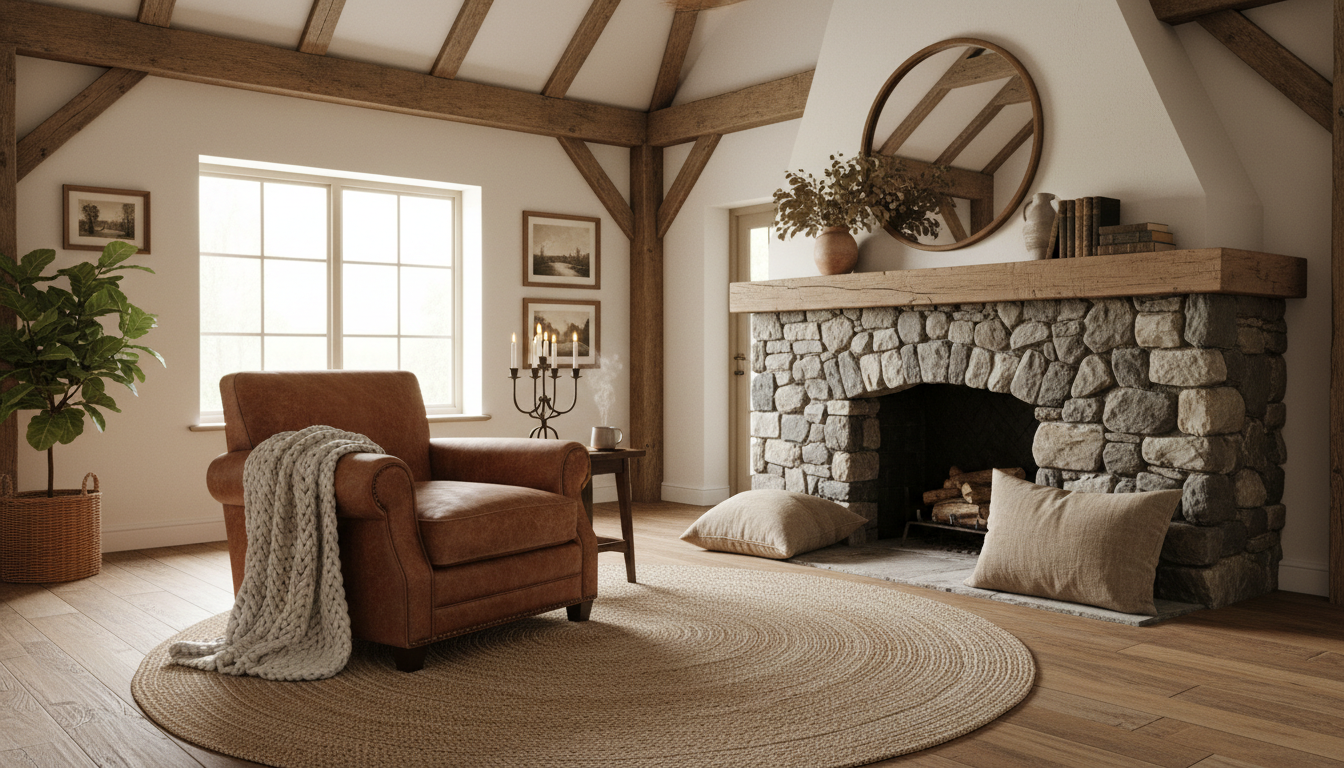
- Layered Textures: Texture is crucial for adding warmth and depth. Mix rough surfaces like jute and burlap with soft ones like wool, linen, and chunky knits. A natural fiber rug or a worn leather sofa adds immense tactile appeal.
- Handcrafted and Vintage Pieces: Rustic design values authenticity over mass-produced perfection. Look for handmade rustic furniture, vintage finds, and one-of-a-kind decor like pottery, woven baskets, and repurposed items that tell a story.
- Heavy and Simple Furniture: Furniture in rustic design is typically substantial and sturdy, with simple, clean lines. The focus is on the material itself, like a chunky reclaimed wood dining table or an oversized leather couch, rather than on ornate details.
Exploring the Different Types of Rustic Design
Rustic is not a one-size-fits-all style. It blends beautifully with other design aesthetics, creating unique hybrid styles that might be the perfect fit for your home.
Modern Rustic
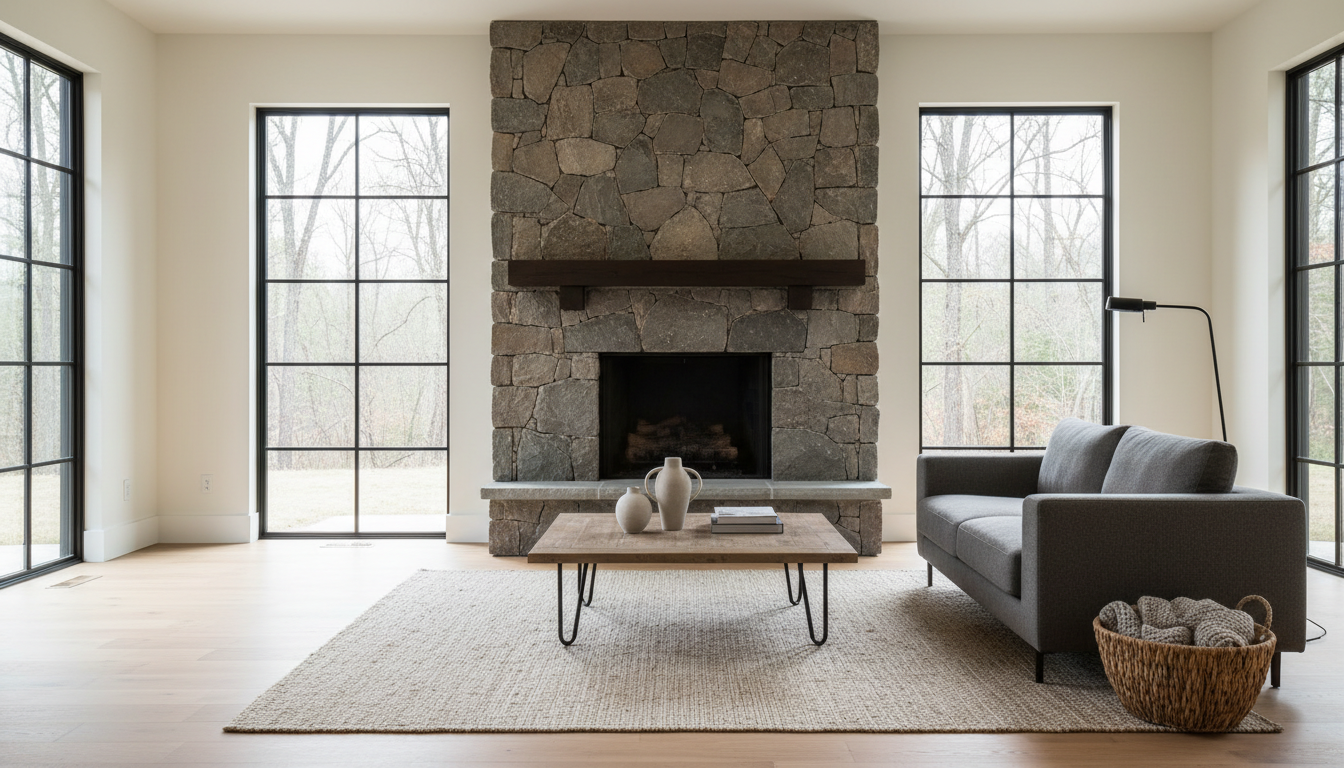
This popular style merges the warmth of rustic design with the clean lines and simplicity of modern decor. It’s about balance: pairing a reclaimed wood table with sleek metal chairs, or placing minimalist furniture against a stone fireplace. The palette remains neutral but may incorporate more black and gray for a contemporary edge.
Farmhouse Rustic
Often confused with pure rustic, farmhouse style is a more polished and lighter interpretation. It shares a love for natural wood and vintage finds but often features more painted or distressed finishes, shiplap walls, and a brighter color palette with lots of white and cream. A farmhouse sink in the kitchen is a classic element of this style.
Industrial Rustic
Inspired by converted lofts and old factories, this style combines raw rustic elements with industrial ones. Think exposed brick walls, concrete floors, and metal accents like steel beams or pipe shelving, softened by warm wood furniture and cozy textiles. The result is a look that is both edgy and inviting.
Scandi Rustic
This hybrid combines the minimalism and light color palette of Scandinavian design with the warmth and texture of rustic style. It features light-colored woods, white walls, and a focus on simplicity, but adds coziness through chunky knit throws, sheepskin rugs, and handcrafted wooden objects.
French Country Rustic
This style is a blend of rustic charm and refined elegance. It’s characterized by weathered wood furniture with graceful, curved lines, soft floral and toile patterns, and a muted color palette of soft whites, pale blues, and lavender. It feels romantic and lived-in.
Adirondack Rustic
Named for the Great Camps of the Adirondack Mountains, this style is synonymous with the classic American log cabin. It heavily features log construction, twig-work details, stone fireplaces, and decor inspired by nature and wildlife, like antler chandeliers and plaid textiles.
How to Bring Rustic Design Into Every Room
You can incorporate rustic elements into any space to add warmth and character. Here are some room-by-room ideas to get you started.
The Living Room: A Cozy Gathering Space
The living room is the heart of a rustic home. It should feel like a comfortable retreat for family and friends.
- Create a Focal Point: A stone fireplace is the ultimate rustic centerpiece. If that’s not an option, a reclaimed wood accent wall behind the sofa can create a similar grounding effect.
- Choose Comfortable Seating: Opt for a deep, comfortable sofa, perhaps in a durable fabric like linen or a beautifully worn leather.
- Layer Textures: Add a wool or jute rug, pile on pillows in various textures, and have a few chunky knit throws ready for chilly evenings.
- Incorporate Natural Wood: A solid wood coffee table or a live-edge console table can anchor the space.
- Warm Lighting: Use lighting with warm-toned bulbs. A wrought-iron chandelier or rustic table lamps with simple shades work well.
The Kitchen: The Functional Heart of the Home
A rustic kitchen is warm, functional, and full of charm. It’s a space that invites people to gather.
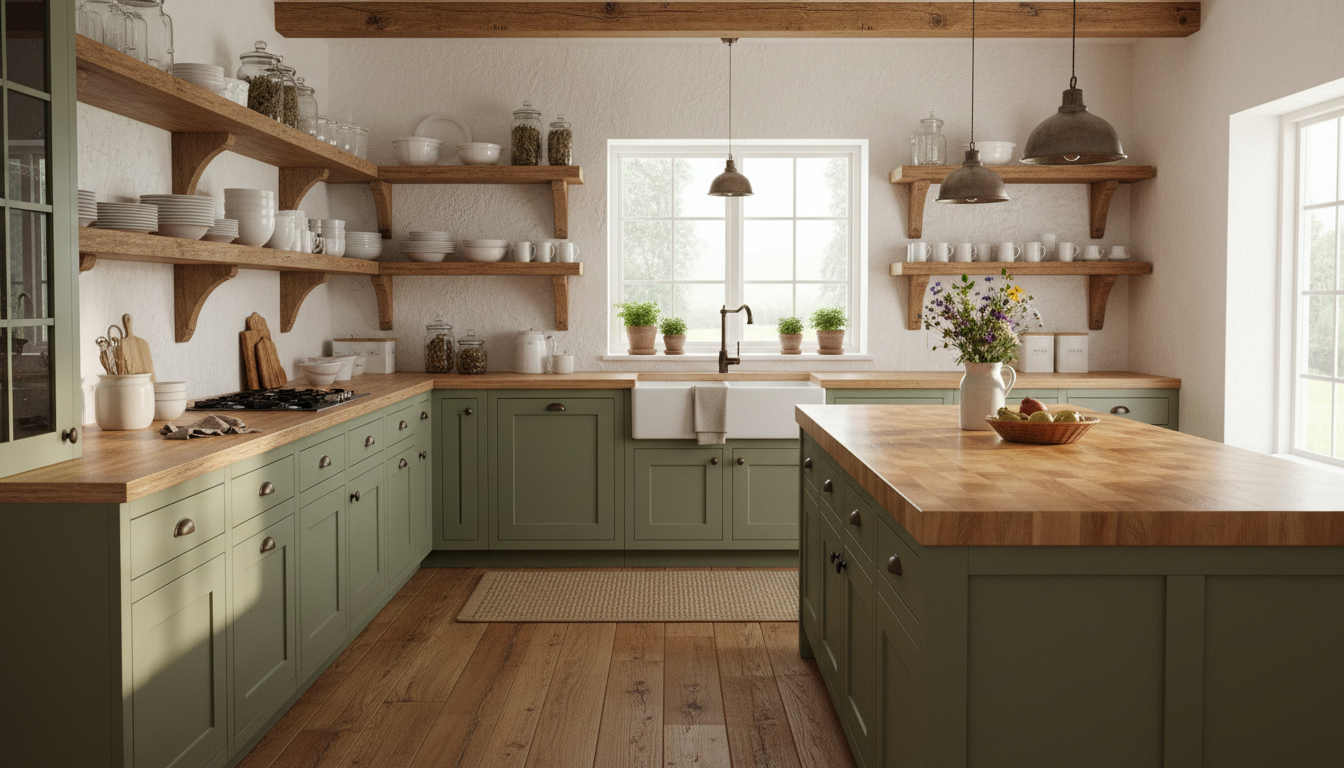
- Cabinetry and Shelving: Consider Shaker-style cabinets in a natural wood finish or painted a muted color. Open shelving made from reclaimed wood is perfect for displaying pottery, mason jars, and everyday dishes.
- Durable Countertops: Butcher block, soapstone, or concrete countertops add a natural, utilitarian feel.
- The Perfect Sink: A deep, apron-front farmhouse sink is both practical and stylishly rustic.
- A Rustic Island: A large kitchen island, perhaps topped with butcher block or made from a repurposed antique table, provides workspace and a casual dining spot.
- Warm Metal Accents: Use hardware and fixtures in finishes like oil-rubbed bronze, copper, or matte black.
The Bedroom: A Serene Retreat
A rustic bedroom should be a peaceful sanctuary that promotes rest and relaxation.
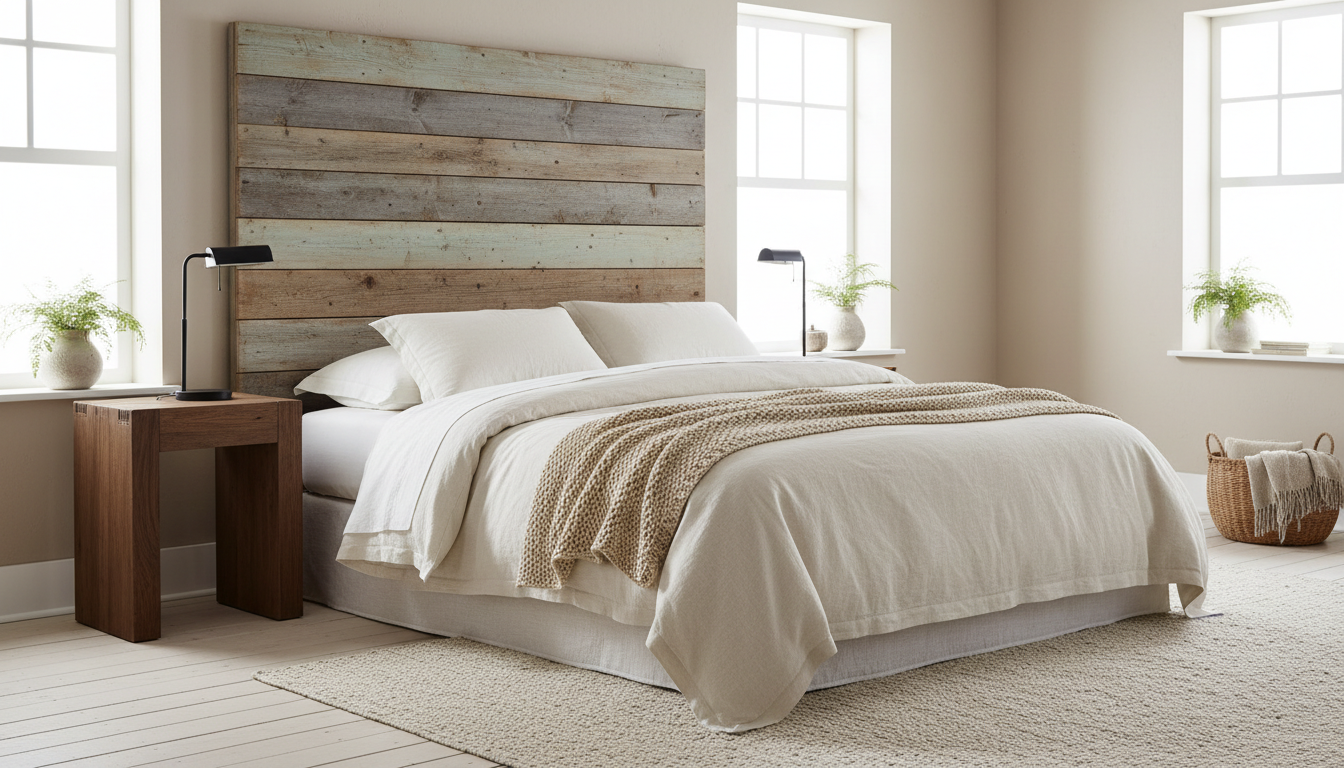
- Statement Bed: An iron bed frame or a bed with a reclaimed wood headboard makes a beautiful focal point.
- Soft Textiles: Layer your bed with natural fabrics like linen or organic cotton sheets, a cozy quilt, and a wool blanket.
- Simple Furniture: Choose nightstands and dressers made from distressed or natural wood.
- Ambient Lighting: Use soft, warm light from bedside lamps or vintage-inspired sconces.
- Keep It Uncluttered: Rustic bedrooms feel most serene when they are simple and uncluttered, allowing the natural materials to shine.
The Bathroom: A Natural Oasis
Even a small bathroom or powder room can be transformed into a rustic escape.
- Wood and Stone: A wood vanity topped with a stone vessel sink instantly creates a rustic feel.
- Unique Fixtures: Opt for faucets and showerheads in matte black or oil-rubbed bronze.
- Textured Walls: Consider a stone or wood accent wall. Even a simple shiplap wainscoting can add rustic character.
- Vintage Touches: A vintage-framed mirror or a classic clawfoot tub can add timeless charm.
- Natural Storage: Use woven baskets for storing towels and toiletries.
Frequently Asked Questions About Rustic Design
What are the best colors to use for rustic design? Stick to a palette inspired by nature. Warm neutrals like beige, cream, sand, and gray are great base colors. For accents, look to earthy tones like muted greens, deep reds, rusty oranges, and soft blues. Brands like Sherwin-Williams and Farrow & Ball offer a wide range of beautiful, nature-inspired hues.
What is the difference between rustic and farmhouse style? While they share many similarities, the main difference lies in their finish. Rustic design is broader and tends to embrace raw, unfinished, and heavy materials. Farmhouse style is a more specific subset that is often lighter, more polished, and incorporates more painted and distressed finishes for a clean yet cozy country feel.
How can I make my house look more rustic on a budget? You don't need a full renovation to add rustic charm. Start small with DIY rustic home decor projects.
- Incorporate textiles: Add a jute rug, linen pillows, or a chunky knit throw.
- Shop vintage: Flea markets and antique shops are treasure troves for rustic decor like old wooden crates, vintage mirrors, and unique pottery.
- Bring in nature: Decorate with branches, pinecones, or fresh greenery in simple vases.
- Focus on one statement piece: Invest in a single piece of rustic furniture, like a coffee table or a bench, to anchor a room.
- Create your own art: A gallery wall of landscape prints or framed botanical illustrations can add a personal, rustic touch.