


How to Master Sustainable Interior Design: Create a Beautiful, Low-Impact Home Without Regret
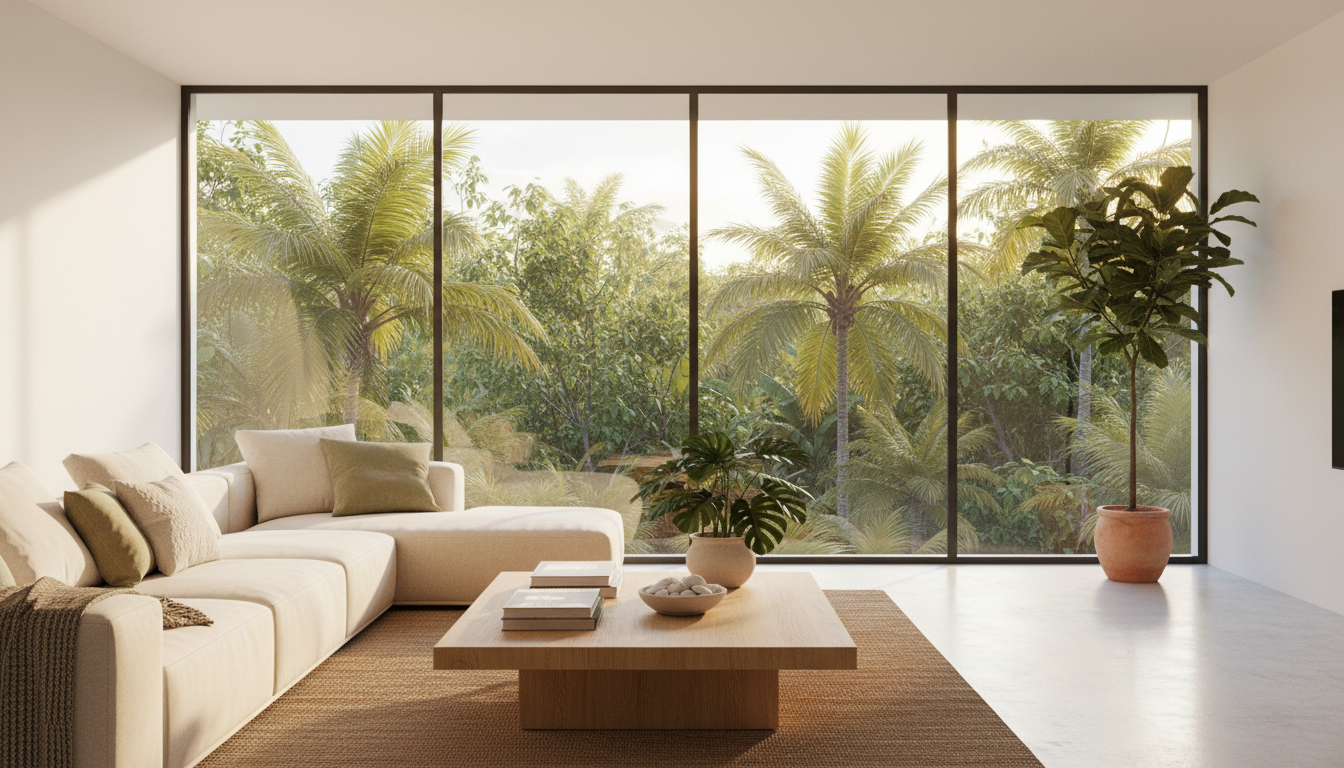
Our homes are more than just structures; they are the backdrop to our lives, spaces where we should feel healthy, safe, and restored. As we become more conscious of our impact on the world, the desire for a home that reflects our values is growing. Sustainable interior design is the answer, moving far beyond a simple trend to become a foundational principle for creating spaces that are good for us and for the planet. But where do you begin? How do you turn the idea of a "green home" into a beautiful, functional reality without the guesswork and costly mistakes?
This is where thoughtful planning becomes your most powerful tool. Before purchasing a single item or picking up a paintbrush, visualizing the complete design is essential. Modern tools like Ideal House allow you to experiment with layouts, materials, and color palettes in a virtual environment. By using AI to generate realistic renderings of your ideas, you can see how sustainable choices like bamboo flooring, natural light optimization, or reclaimed wood accents will look in your space. This ability to pre-visualize your design ensures every decision is intentional, preventing the "design regret" that leads to waste and helping you create a cohesive, sustainable sanctuary with confidence.
What is Sustainable Interior Design, Really?
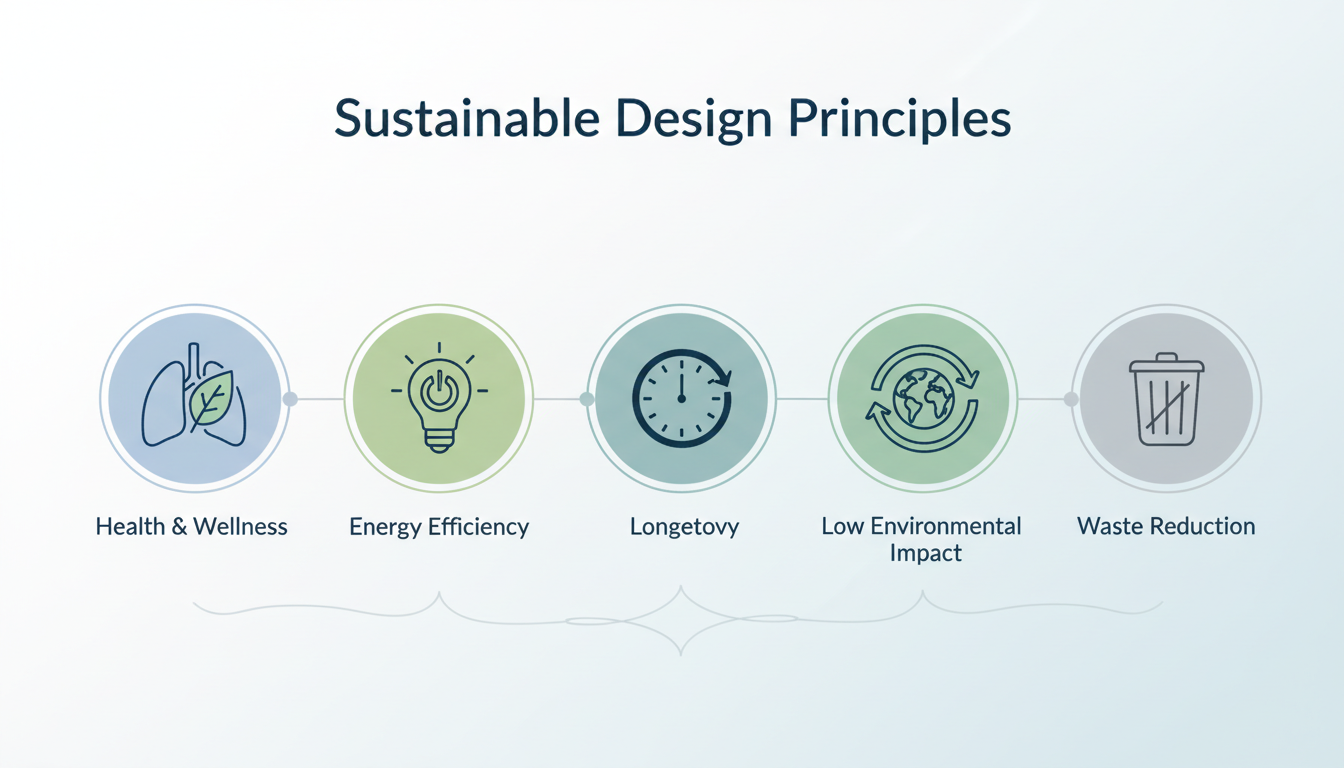
Sustainable interior design is a holistic approach that aims to reduce negative environmental impacts while creating healthier and more restorative indoor environments. It’s not a specific aesthetic, but rather a set of principles that can be applied to any style, from minimalist modern to rustic farmhouse. These principles guide every decision, from the floor plan to the final finishes.
- Design for Health and Wellness: Prioritizing occupant health by improving indoor air quality, maximizing natural light, and incorporating elements that reduce stress.
- Design for Energy Efficiency: Reducing energy consumption through strategic lighting design, high-performance window treatments, and smart technology.
- Design for Longevity and Flexibility: Choosing durable, timeless materials and creating adaptable spaces that can evolve with your needs, preventing frequent renovations and waste.
- Design for Low Environmental Impact: Sourcing materials that are renewable, recycled, or responsibly harvested and have a low embodied carbon footprint.
- Design for Waste Reduction: Minimizing waste during construction and throughout the product lifecycle by embracing reuse, repurposing, and circular design.
Bringing Nature In: The Power of Biophilic Design
One of the most impactful pillars of sustainable design is biophilia—our innate human tendency to connect with nature. Biophilic design is the practice of integrating natural elements and processes into the built environment to improve psychological and physiological well-being. It’s more than just adding a few houseplants; it’s about creating a multisensory connection to the natural world.
According to research by social ecologist Stephen Kellert, there are several key elements of biophilic design you can incorporate into your home:
- Environmental Features: Directly bringing nature indoors through plants, water features, natural light, and fresh air. Using natural materials like wood, stone, and wool provides a direct tactile connection.
- Natural Shapes and Forms: Using organic shapes, curves, and arches that mimic forms found in nature, rather than relying solely on straight lines and right angles.
- Natural Patterns and Processes: Incorporating patterns that reflect natural processes, like the patina of aging wood or the fractal patterns found in leaves and snowflakes.
- Light and Space: Creating dynamic and varied lighting that mimics the play of light and shadow found outdoors, and designing spaces with varied volumes to evoke feelings of both prospect and refuge.
- Place-Based Relationships: Grounding your design in its local context by using indigenous materials, native plants, and celebrating local history and culture.
- Evolved Human-Nature Relationships: Designing spaces that create a sense of security, curiosity, awe, or discovery—feelings we often experience in nature.
Choosing Wisely: A Guide to Sustainable Materials & Finishes
The materials you choose are the building blocks of a sustainable interior. They affect not only the planet but also your home's indoor air quality. Many conventional products off-gas Volatile Organic Compounds (VOCs), which can cause health issues. Focusing on non-toxic, responsibly sourced materials is a cornerstone of green design.
Non-Toxic Paints & Finishes
Traditional paints can be a major source of indoor air pollution. When choosing paint, look for options labeled "No-VOC" or "Low-VOC." Many brands now offer healthier, water-based formulas.
- Top Brands to Explore: Look for paints with certifications like GREENGUARD Gold. Companies like Ecos Paints and Benjamin Moore’s Eco Spec line offer excellent non-toxic options.
Sustainable Flooring
Flooring covers a vast surface area, so making a sustainable choice here is critical.
-
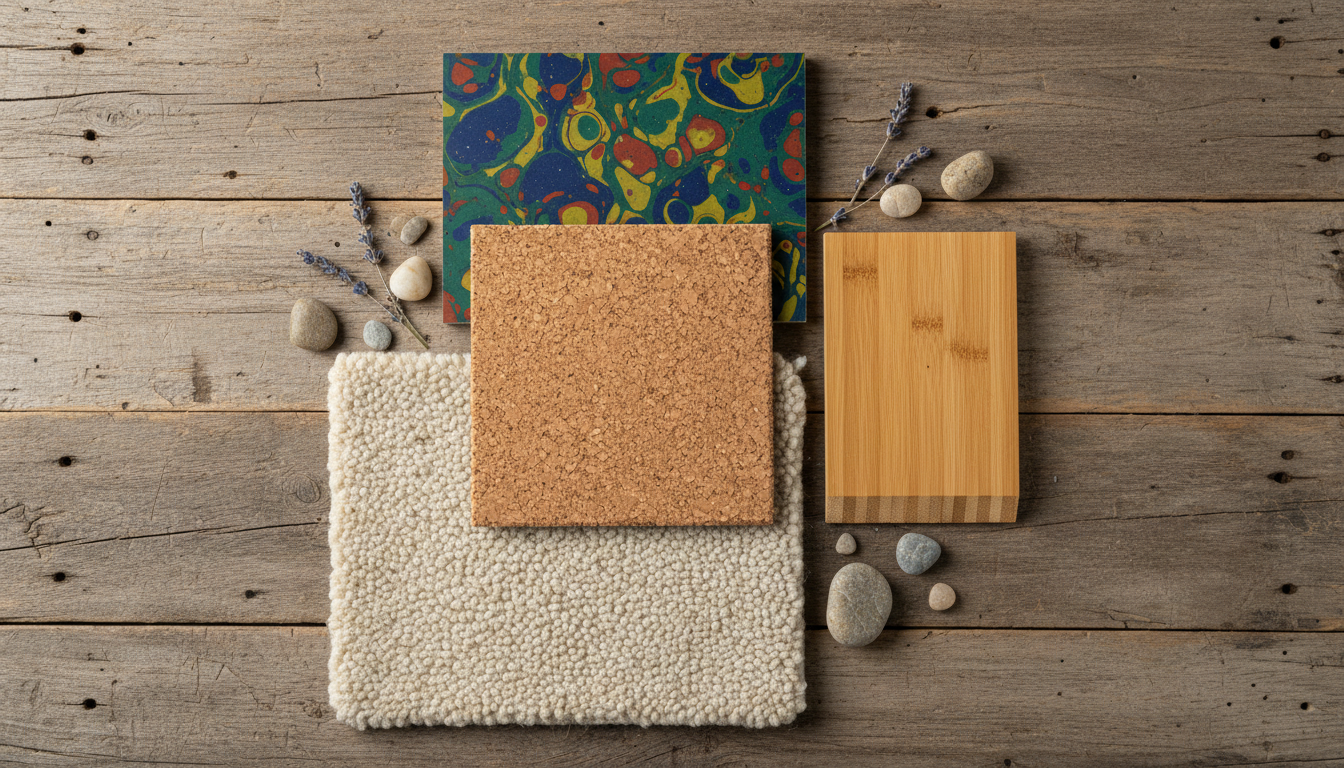
Cork: Harvested from the bark of cork oak trees without harming them, cork is a rapidly renewable, biodegradable, and excellent insulating material.
-
Bamboo: A fast-growing grass, bamboo is a durable and renewable flooring choice. Look for products from brands that use low-VOC adhesives and have Forest Stewardship Council (FSC) certification to ensure responsible harvesting.
-
Reclaimed Wood: Using wood salvaged from old buildings gives it a new life, reduces waste, and adds unique character to your home.
-
Natural Linoleum (Marmoleum): Made from linseed oil, wood flour, cork dust, and jute, Marmoleum is a biodegradable, durable, and healthy flooring option.
-
Wool Carpet: Wool is a natural, renewable, and biodegradable fiber. It also acts as a natural air purifier and insulator.
Eco-Friendly Furnishings and Textiles
Extend your sustainable mindset to furniture and fabrics.
- Source Locally & Vintage: Buying vintage or secondhand furniture is the ultimate form of recycling. Supporting local artisans also reduces transportation emissions and fosters community economies.
- Choose Natural Fibers: Opt for textiles made from organic cotton, linen, wool, and hemp instead of synthetic fabrics like polyester, which are derived from petroleum.
- Look for Solid Wood: Choose furniture made from solid, FSC-certified wood over particleboard, which often contains formaldehyde-based glues.
Embracing Circularity: Designing Out Waste from the Start
The traditional "take-make-waste" model is a major source of environmental degradation. A circular design approach seeks to eliminate waste by keeping materials in use for as long as possible.
- Design for Disassembly: Choose furniture and fixtures that can be easily taken apart for repair, reuse, or recycling. Modular systems for walls, flooring, and furniture offer incredible flexibility.
- Adaptive Reuse: Think creatively about repurposing what you already have. An old dresser can become a bathroom vanity, or salvaged doors can be turned into a stunning headboard. This isn't just sustainable; it adds a unique story to your space.
- Material Passports: A new concept in design, a material passport documents the components of a product or building, making it easier to recycle or reuse them at the end of their life.
Smart & Strategic: Boosting Energy Efficiency
An energy-efficient home is kinder to the planet and your wallet. Interior design plays a huge role in reducing energy consumption.
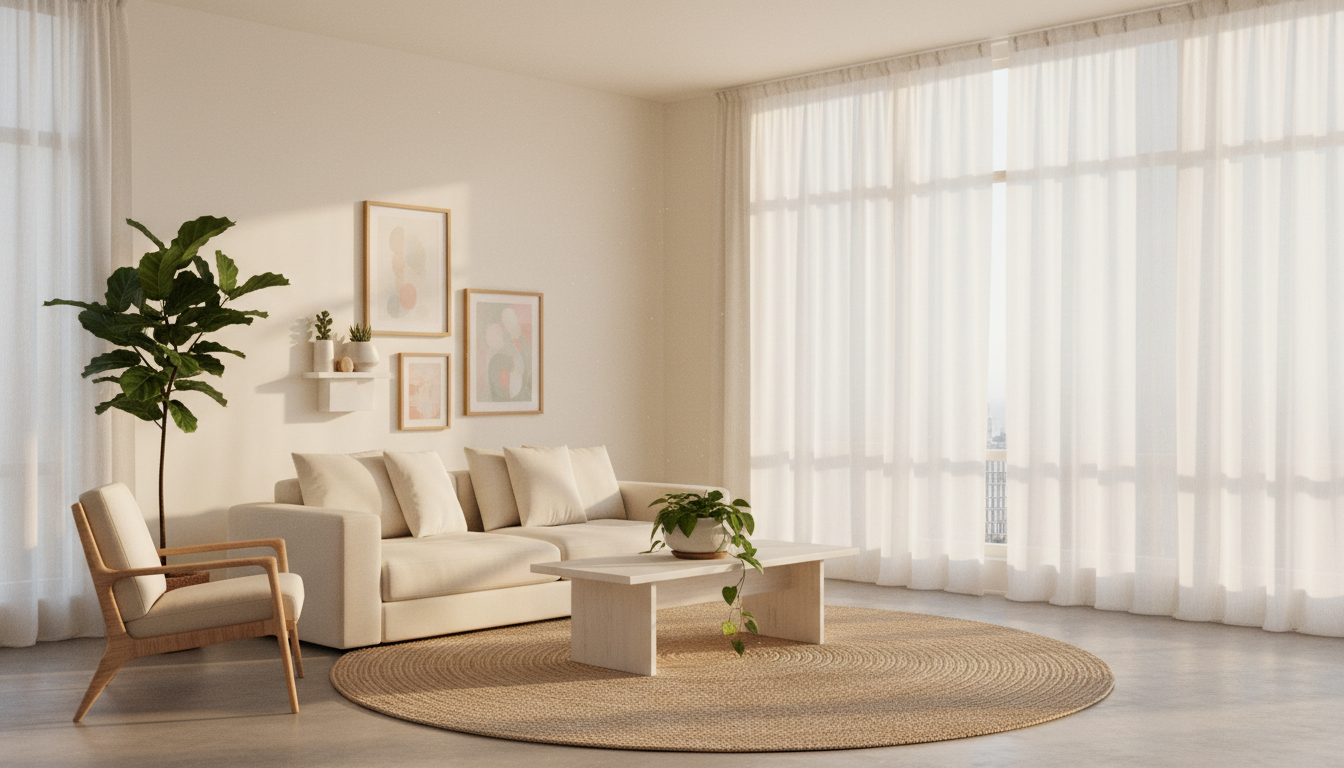
- Maximize Natural Light: Arrange your layout to take full advantage of daylight, reducing the need for artificial lighting. Use light paint colors and mirrors to reflect light deeper into rooms.
- Strategic Window Treatments: High-quality insulating curtains, drapes, and cellular shades can prevent heat loss in the winter and keep your home cool in the summer, reducing the load on your HVAC system.
- Upgrade to LED Lighting: LED bulbs use up to 80% less energy and last 25 times longer than incandescent bulbs. Choose warm-spectrum LEDs (2700K–3000K) for a cozy, inviting glow.
- Install Smart Thermostats: Devices like the Nest thermostat learn your habits and can significantly cut down on heating and cooling costs.
Decoding the Green Labels: Understanding Certifications
Navigating the world of "green" products can be confusing. Third-party certifications provide credible assurance that a product or building meets specific sustainability standards.
| Certification | Focus | What It Tells You |
|---|---|---|
| LEED | Buildings & Interiors | A holistic rating system for green buildings, covering energy, water, materials, and indoor environmental quality. |
| BREEAM | Buildings & Interiors | A comprehensive environmental assessment method, popular in Europe, evaluating energy, health, materials, and more. |
| WELL Building Standard | Occupant Health | Focuses exclusively on the health and well-being of people in buildings, measuring air, water, light, and comfort. |
| Living Building Challenge | Regenerative Design | The most rigorous standard, envisioning buildings that give more than they take from the environment. |
When it comes to materials, two key documents are transforming the industry by promoting transparency:
- Environmental Product Declaration (EPD): Think of this as a product's environmental resume. It quantifies the environmental impact of a product throughout its life cycle, from raw material extraction to disposal. It helps you compare the embodied carbon of different materials.
- Health Product Declaration (HPD): This is like a nutrition label for building materials. An HPD discloses all the ingredients in a product and any associated health hazards, empowering you to choose healthier materials and avoid harmful chemicals.
The Journey to a Sustainable Home
Creating a sustainable home is a journey, not a destination. It's about making conscious, informed choices at every step. By embracing a holistic approach that considers health, longevity, energy efficiency, and material sourcing, you can design a space that not only looks beautiful but also aligns with your values.
Start by planning thoughtfully, use tools to visualize your goals, and choose materials that tell a story of responsibility and care. The result will be a home that sustains both you and the planet for years to come.