


How to Create a Minimalist Home: Principles, Ideas & Practical Tips
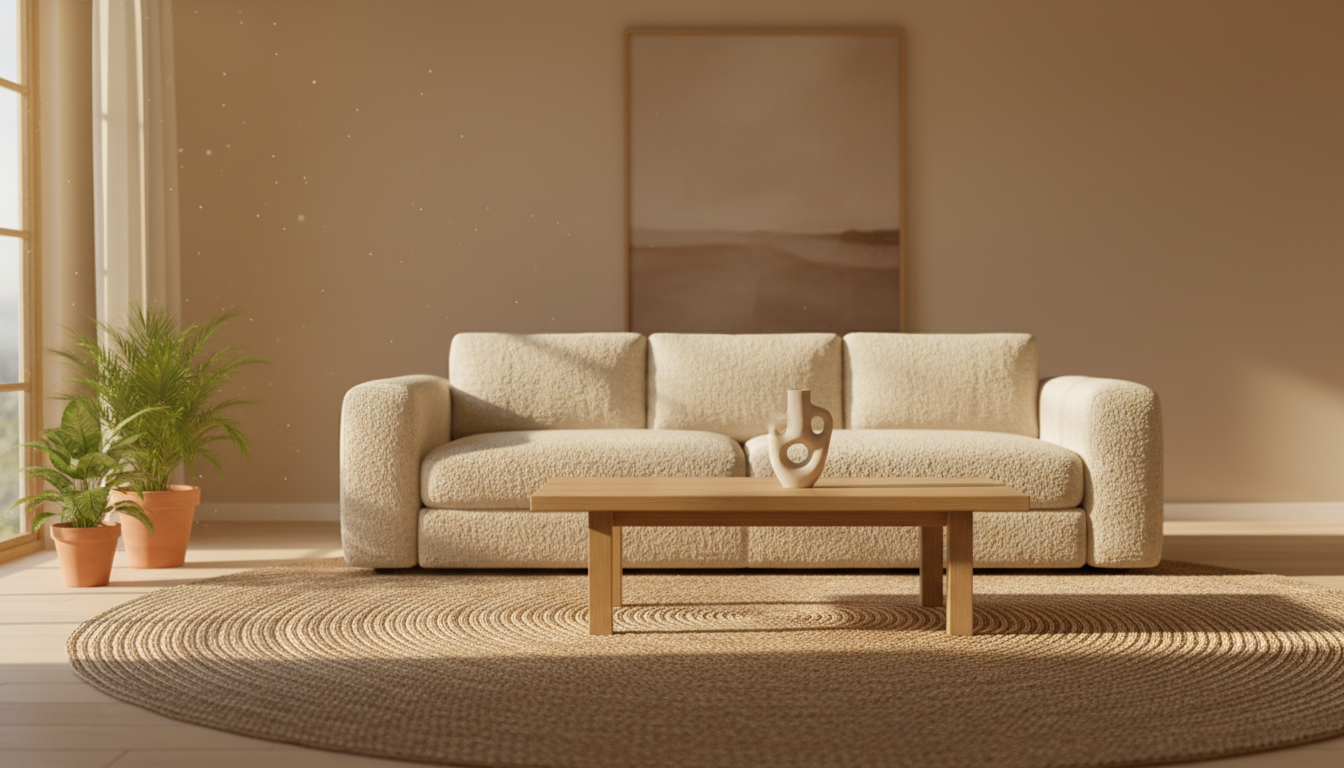
Minimalist interior design is often misunderstood, conjuring images of stark, cold rooms devoid of personality. But true minimalism is far from empty—it's an intentional philosophy rooted in the idea that "less is more." It’s about stripping away the non-essential to create a space that is calm, functional, and deeply personal. It’s a design style that breathes, allowing you to focus on quality, purpose, and the beauty of a well-curated life.
Visualizing how these principles translate to your own home can be the biggest hurdle. Bridging that gap between inspiration and reality is where technology can help. Tools like Ideal House, an AI interior design platform, allow you to experiment with minimalist concepts—from furniture layouts to warm neutral color palettes—in your own space before making any commitments. You can upload a photo of your room and instantly see it transformed into a serene, minimalist haven.
What Are the Core Principles of a Minimalist Home?
Minimalism isn’t a rigid set of rules but a collection of guiding principles. It’s a rebellion against excess, prioritizing simplicity and function to create spaces that feel sophisticated and tranquil.
Intentional Simplicity: Less Is More
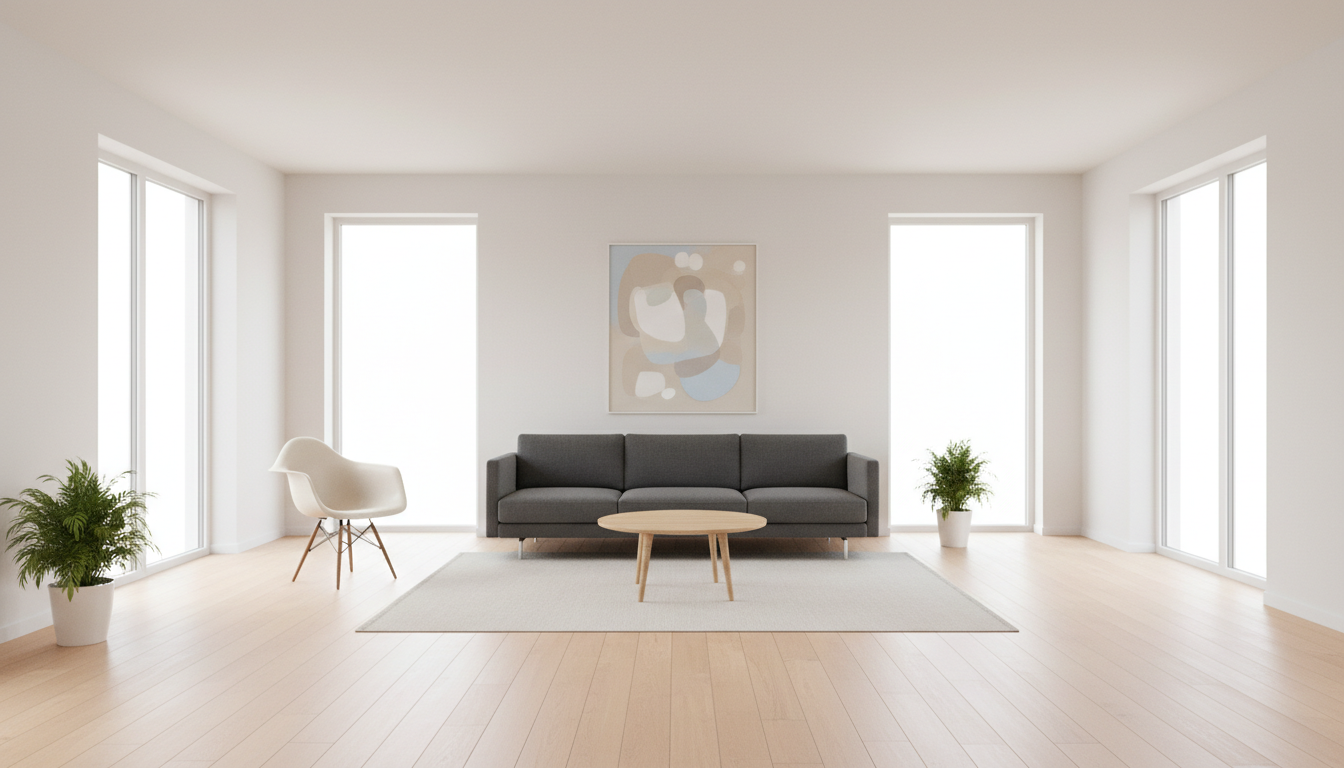
At its heart, minimalism is about curating your home with purpose. Every object should serve a function or bring you genuine joy. This begins with decluttering—not just hiding things away, but mindfully editing your possessions. The goal is to create visual harmony where your eye knows where to land, promoting a sense of calm and order.
A Restrained and Neutral Color Palette
Minimalist interiors typically lean on a neutral color scheme of whites, grays, beiges, and soft earth tones. These hues create a serene atmosphere and make spaces feel larger and more open. This doesn't mean color is forbidden. A minimalist space can be warmed up with subtle terracotta, olive green, or soft blues. The key is to use a restrained palette, often monochromatic or tonal, to maintain a cohesive and uncluttered feel.
Function First: Every Piece Has a Purpose
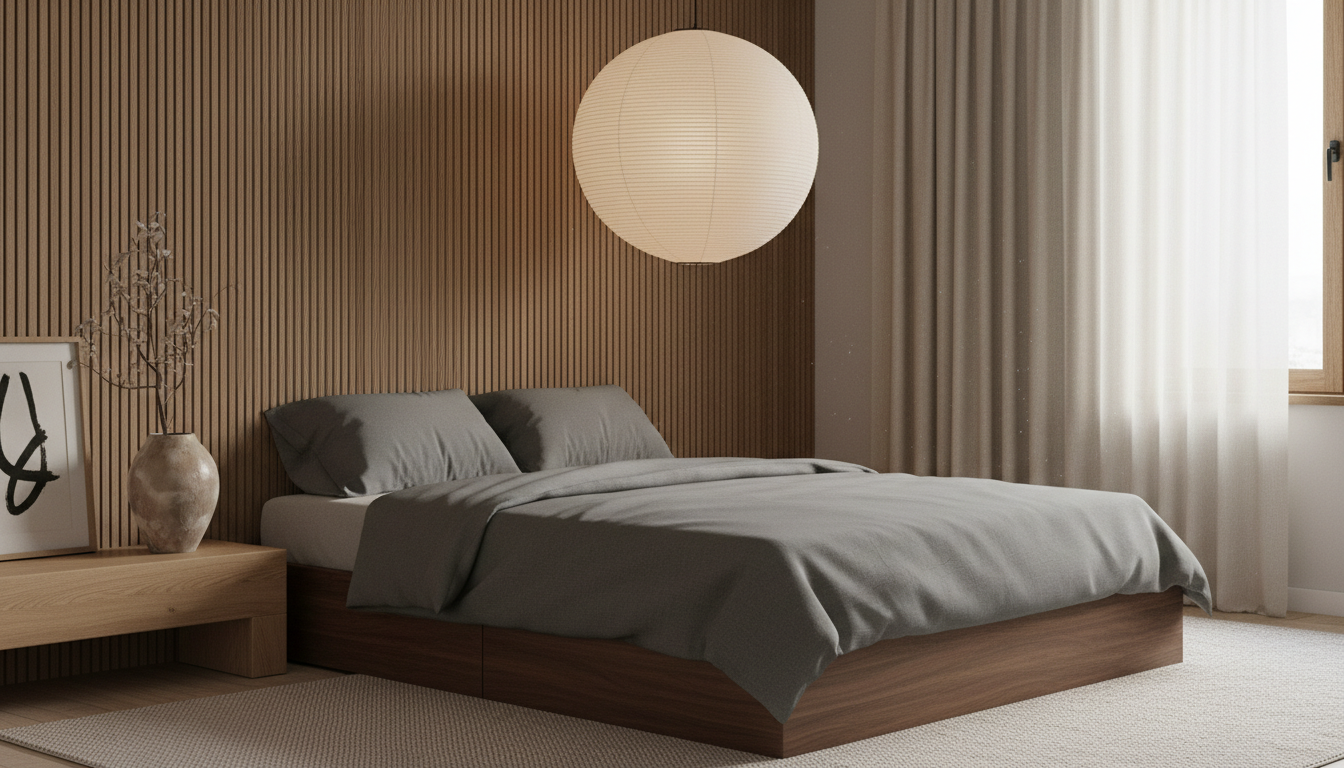
In minimalist design, form follows function. Furniture is chosen for its clean lines, simple forms, and, most importantly, its utility. Multi-functional pieces are highly valued. Think of a coffee table with hidden storage, a modular sofa that can be reconfigured, or a platform bed with built-in drawers. Every item earns its place by being both beautiful and practical.
The Beauty of Clean Lines and Open Space
Minimalism celebrates uncluttered surfaces and clear pathways. Furniture features clean, geometric lines, and visual clutter is kept to a minimum. Negative space—the empty areas around objects—is treated as a crucial design element. This “breathing room” allows the few chosen pieces to stand out and be appreciated, contributing to the overall sense of tranquility.
The Evolution of Minimalism: Finding Warmth and Personality
Minimalism in the 21st century has evolved beyond its sometimes-austere reputation. Modern interpretations embrace warmth, texture, and personal style, proving that a pared-back space can still be cozy and inviting.
Warm Minimalism: The Cozy Revolution
Warm minimalism takes the core tenets of the style and layers in extra visual and tactile interest. It’s an answer for those who love simplicity but crave comfort. This is achieved through:
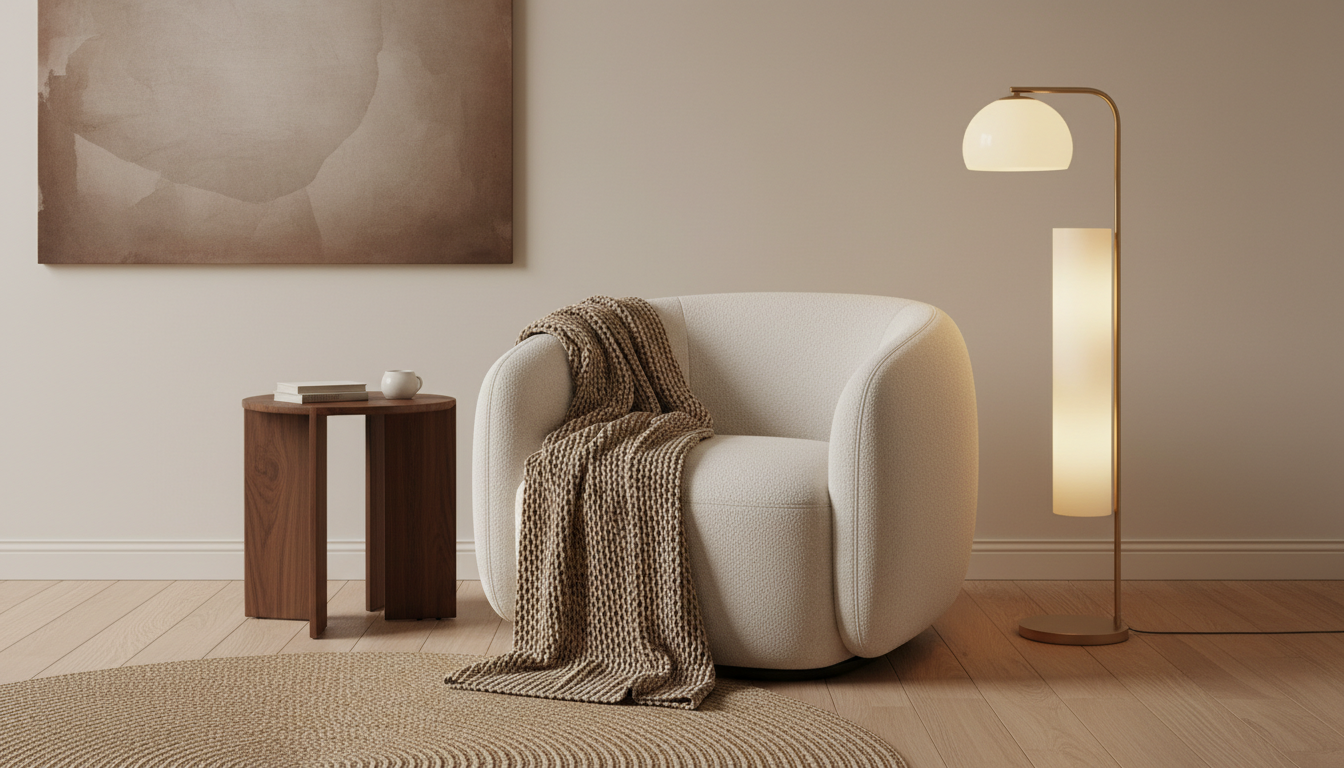
- Rich Textures: Bouclé, wool, linen, cashmere, and jute rugs add depth and a touch of coziness.
- Organic Shapes: Sculptural furnishings with soft curves and rounded edges break up the rigidity of straight lines.
- Earthy Hues: The color palette expands to include soft creams, chocolatey browns, terracotta, and calming greens.
Organic Modern: Blending Nature and Structure
A close cousin to warm minimalism, organic modern style balances clean, modern silhouettes with natural, organic textures and materials. It’s about juxtaposing luxe materials like marble and metal with raw elements like wood, stone, and clay. Ample greenery, from a tall fiddle-leaf fig to a vase of foraged branches, is essential for bringing life into the space.
Japandi & Scandinavian: Cousins in Simplicity
Minimalism has been deeply influenced by global design philosophies, particularly Japanese and Scandinavian styles. The fusion of these two, known as Japandi, has become incredibly popular.
| Feature | Scandinavian | Japandi |
|---|---|---|
| Key Concept | "Hygge" (coziness and well-being) | "Wabi-Sabi" (beauty in imperfection) |
| Color Palette | Bright whites, soft grays, pastels | Muted, earthy tones, charcoal, deep greens |
| Materials | Light woods (birch, pine), wool, linen | Darker woods (walnut), bamboo, stone, paper |
| Furniture | Functional, clean lines, often with soft curves | Low-profile, minimalist, handcrafted |
| Vibe | Light, airy, and inviting | Serene, harmonious, and mindful |
How to Create Your Own Minimalist Haven: A Practical Guide
Transforming your home into a minimalist sanctuary is a process of intentional choices. Here’s a step-by-step approach.
1. Declutter with Purpose
The first step is always to purge. Tackle one room at a time and sort items into four categories: keep, donate, recycle, or trash. Ask yourself if an item serves a purpose or brings you joy. For items you’re unsure about, use an "outbox"—place them in a box out of sight for a month. If you don’t need them or think about them during that time, it’s a clear sign to let them go.
2. Layer Textures and Natural Materials
To avoid a sterile look, layer a variety of textures. A chunky knit throw on a linen sofa, a jute rug under a smooth wood coffee table, or velvet pillows on a leather chair add warmth and visual interest. Natural materials like wood, stone, rattan, and clay ground the space and connect it to the outdoors.
3. Choose Furniture Wisely
Invest in quality over quantity. Select a few timeless, well-crafted pieces with clean lines. Prioritize multi-functional furniture to maximize space and reduce clutter:
- A storage ottoman can serve as a coffee table, footrest, and extra seating.
- A platform bed with drawers eliminates the need for a bulky dresser.
- A fold-down desk creates a workspace that disappears when not in use.
4. Master Minimalist Lighting
Lighting is a powerful tool in minimalist design.
- Maximize Natural Light: Keep window treatments simple. Sheer curtains or naked windows allow light to flood the room, making it feel open and airy.
- Layer Artificial Light: Combine ambient, task, and accent lighting. Recessed downlights can provide general illumination, a simple floor lamp is perfect for a reading corner, and an understated pendant can add a decorative touch over a dining table. Choose warm-toned bulbs (2700K-3000K) to create a cozy glow.
- Choose Sculptural Fixtures: A lighting fixture can double as a work of art. A bold, geometric chandelier or an iconic mid-century lamp can serve as a focal point in an otherwise simple room.
5. Curate Art and Decor Thoughtfully
Minimalism doesn’t mean bare walls, but it does require curation.
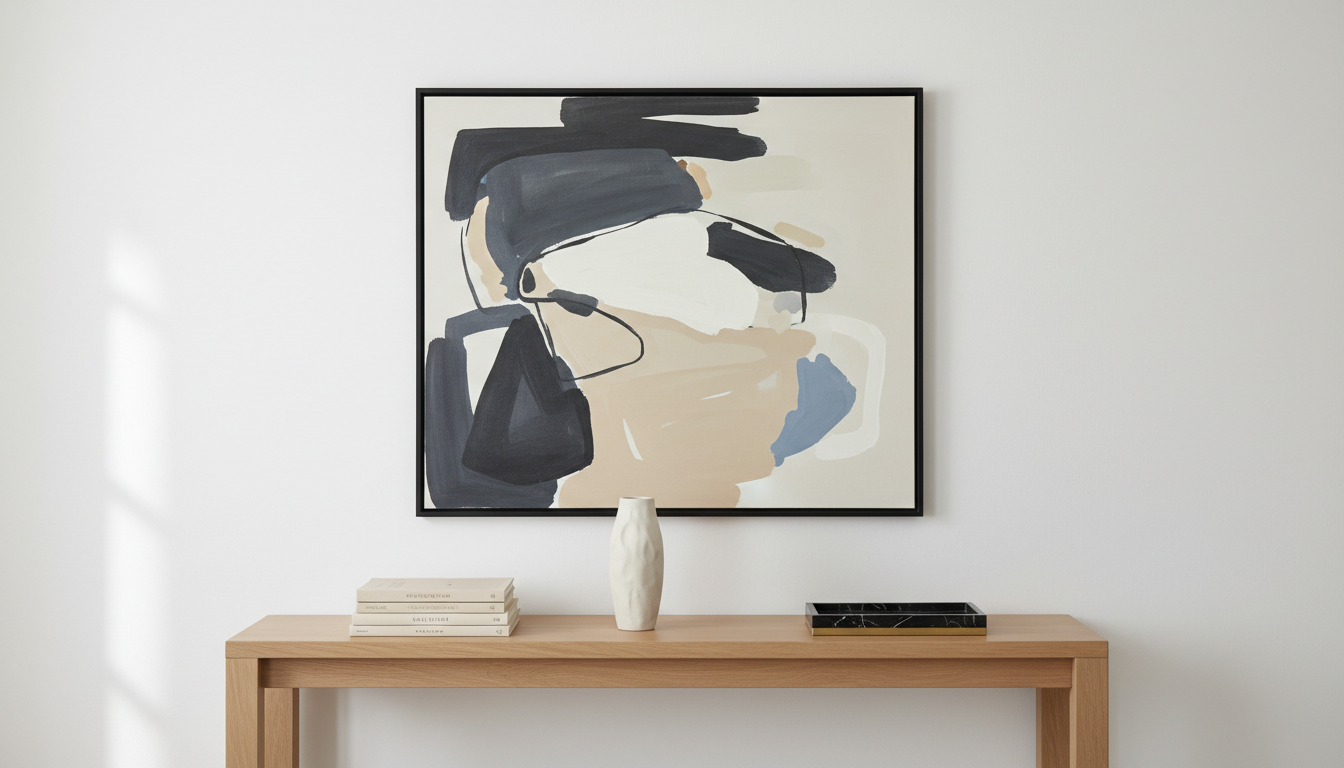
- Go for a Single Statement Piece: A large, oversized piece of art has more impact than a cluttered gallery wall. Let it be the focal point and give it breathing room.
- Create a Cohesive Gallery Wall: If you prefer multiple pieces, create a minimalist gallery wall. Stick to a consistent color palette and use uniform frames (slim black, white, or natural wood) to maintain a sense of order.
- Focus on Meaningful Objects: Decorate with items that tell your story—personal photos, travel souvenirs, or handmade ceramics. Display just a few key pieces on a surface to give them the spotlight they deserve.
6. Integrate Technology Invisibly
In a minimalist home, visible cables, black boxes, and mismatched devices create visual noise. The new era of smart home design focuses on "invisible tech."
- Hidden Speakers: In-wall or in-ceiling speakers deliver high-quality sound without the clutter.
- Flush-Mount Controls: Sleek, trimless keypads for lighting and climate control can be plastered over to blend seamlessly into the wall.
- Concealed TVs: Solutions like the Samsung The Frame, which displays art when off, or motorized lifts that hide the screen in furniture, keep your TV from dominating the room.
Bringing It All Together
Minimalist interior design is a journey toward a more intentional, serene, and functional home. It’s about finding beauty in simplicity, warmth in texture, and calm in uncluttered spaces. By focusing on quality, purpose, and personal expression, you can create a home that is not just stylish but also a true sanctuary from the chaos of the outside world.
Ready to see what minimalism looks like in your home? Use an AI room redesign tool to explore different layouts, swap furniture, and test color palettes to find your perfect balance of simplicity and comfort.
Frequently Asked Questions About Minimalist Design
How many colors should be in a minimalist color scheme? For a truly minimalist feel, stick to no more than three or four complementary colors. A common approach is a 60-30-10 rule: 60% a dominant neutral (like warm white), 30% a secondary neutral (like beige or soft gray), and 10% a subtle accent color (like charcoal, olive green, or terracotta).
Is minimalist design still popular? Yes, minimalism remains highly popular, largely because it aligns with modern desires for sustainable, uncluttered, and mindful living. Its evolution into warmer, more personal styles like "warm minimalism" and "organic modern" has broadened its appeal, making it feel more accessible and livable than ever.
How can I make a minimalist room feel cozy, not cold? The key is texture. Incorporate a mix of soft and natural materials like wool rugs, linen curtains, velvet cushions, bouclé chairs, and warm wood furniture. Layered lighting with warm-toned bulbs and the addition of live plants will also instantly make a space feel more inviting.