


How to Design Layered Outdoor Lighting for Trees, Paths & Home Exterior
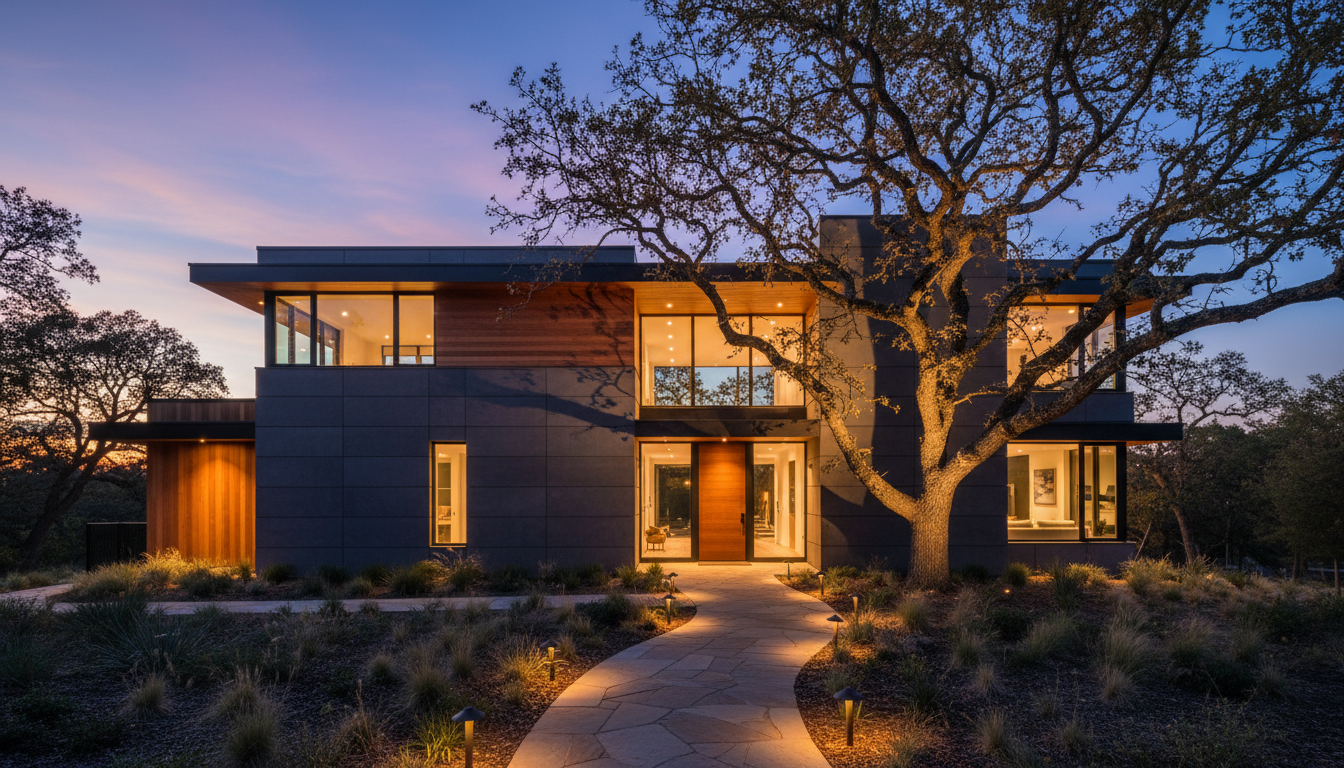
When the sun sets, your home's exterior doesn't have to fade into the darkness. With a thoughtful approach to outdoor lighting, your yard can transform into a stunning evening retreat that’s both beautiful and secure. But where do you begin? Visualizing how dramatic uplighting on a mature oak or a soft glow along a stone pathway will actually look on your property can feel like guesswork.
This is where planning meets technology. Before committing to a single fixture or trenching a single wire, you can bring your vision to life with AI-powered tools. At Ideal House, our goal is to eliminate that uncertainty. Using a simple photo of your home, our Exterior Renovator lets you experiment with different lighting placements and landscaping ideas, giving you a realistic preview of the final effect. Want to see how a modern bollard light compares to a classic lantern? Our Smart Replacer tool lets you select an area and describe the change, instantly generating updated visuals. This allows you to design with confidence, ensuring every choice enhances your home’s unique character.
This article explores a wealth of landscape lighting ideas, from foundational techniques to creative applications, that will empower you to create a professional-quality lighting design for your North American home.
The Foundation: Principles of Professional Lighting Design
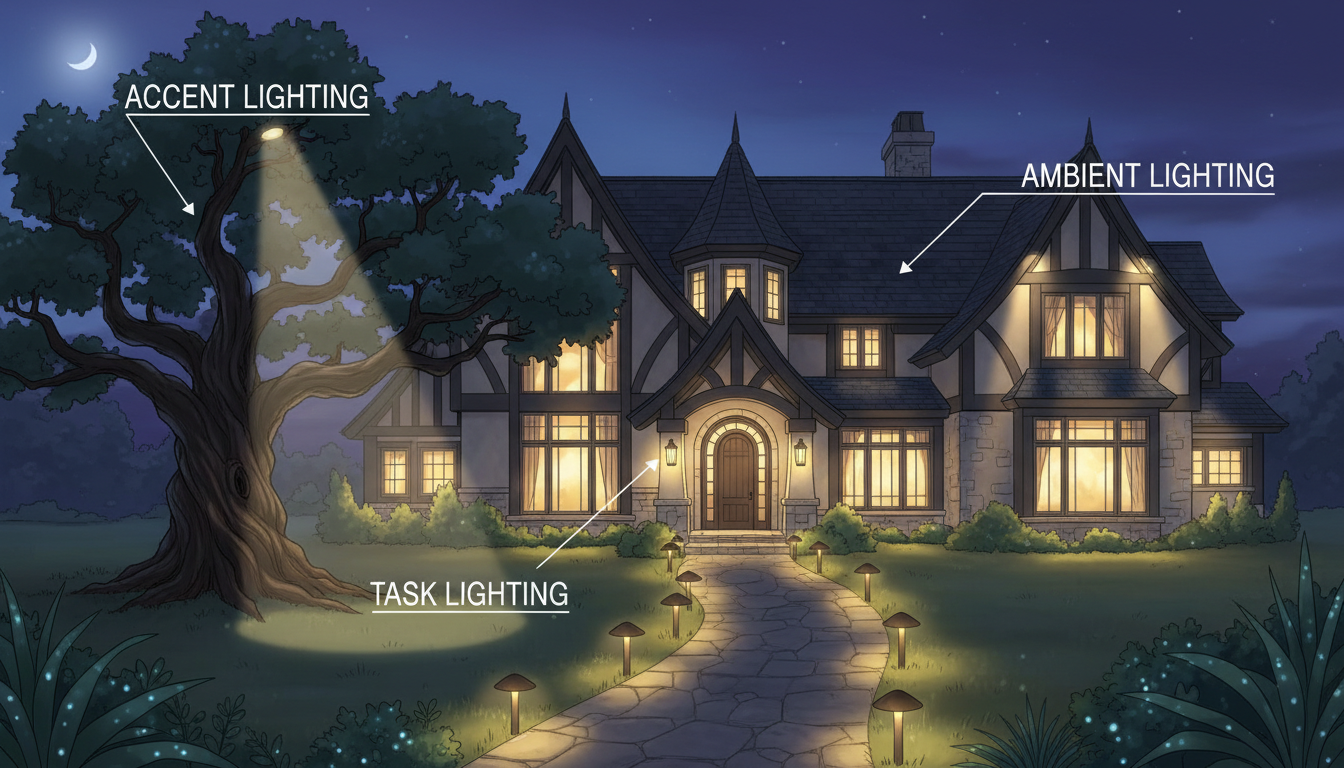
A beautifully lit landscape isn't just bright; it's balanced. Professionals achieve this by layering light, a technique that combines three distinct types of illumination to create depth, drama, and function.
- Ambient Lighting: This is the general, soft glow that provides overall illumination and sets the foundational mood. Techniques like moonlighting or soft wall washes create a gentle, welcoming ambiance.
- Task Lighting: This is functional lighting focused on specific activities. It ensures safety along walkways, illuminates steps, and provides clarity for outdoor kitchen or grilling areas.
- Accent Lighting: This is where the artistry shines. Accent lights are used to highlight specific features—a majestic tree, a textured stone wall, a garden sculpture, or an architectural column. This creates focal points and visual interest.
Equally important is color temperature, measured in Kelvin (K). For most landscapes, a warm white light (2700K to 3000K) is ideal. It feels cozy and inviting, enhancing the natural colors of plants and materials without the harsh, sterile feel of cooler, blue-toned lights.
Core Lighting Techniques: Your Artistic Toolkit
Mastering a few core techniques will allow you to "paint" your landscape with light, turning ordinary features into extraordinary focal points.
Uplighting: The Power of a Dramatic Statement
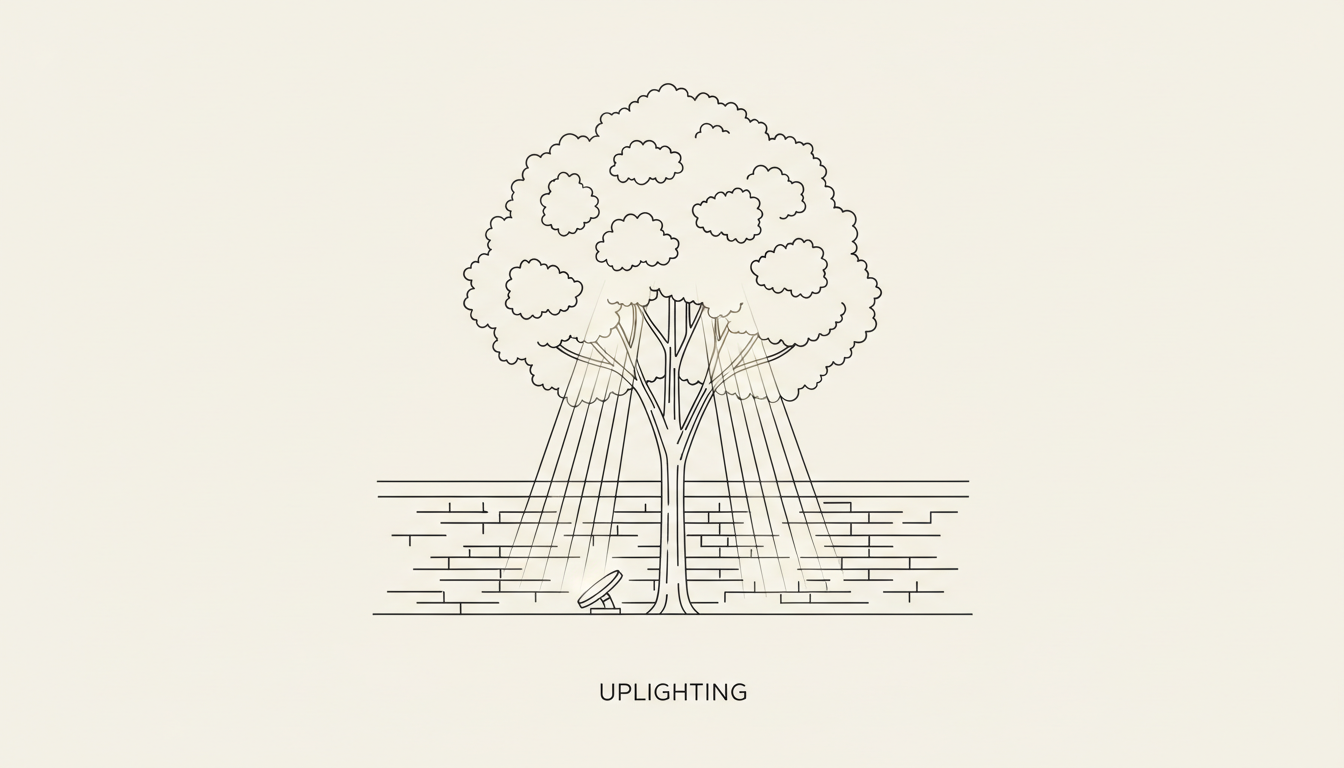
Uplighting is the most popular landscape lighting technique for a reason. By placing a fixture at the base of an object and aiming it upward, you reverse the natural direction of sunlight, creating a dramatic, eye-catching effect that highlights texture, form, and height.
- Best For: Specimen trees, architectural columns, home facades, and statues.
- How to Achieve It: Use spotlights or well lights. Placing the light closer to the object creates a narrow, intense beam (grazing), which is perfect for textured surfaces like stone or bark. Moving it further away produces a wider, softer "wash" of light.
Downlighting & Moonlighting: A Touch of Natural Magic
For a more subtle and natural ambiance, downlighting is the perfect choice. This involves mounting a fixture high up—in a tree, under a pergola, or beneath an eave—and directing it downward. A specific type of downlighting, known as moonlighting, aims to replicate the gentle, dappled glow of a full moon by filtering light through tree branches.
- Best For: Patios, garden beds, lawns, and seating areas.
- How to Achieve It: Secure a directional spotlight high in a mature tree and angle it down. The effect is a serene, romantic glow that casts soft, moving shadows on the ground below.
Shadowing & Silhouetting: Playing with Shapes
These two artistic techniques use an object’s shape to create visual interest against a lit backdrop.
- Shadowing: Cast a compelling shadow by placing a spotlight in front of an object (like a sculptural tree) and aiming it toward a wall or fence behind it. This is especially effective with plants that sway in the wind, like ornamental grasses, adding gentle movement to your design.
- Silhouetting: Create a bold silhouette by placing a light behind an object and aiming it at a vertical surface. This technique highlights the dark outline of a plant or statue, working best with objects that have a distinct, recognizable shape.
Where to Shine: Lighting Key Landscape Features
A successful lighting plan strategically illuminates different zones of your property to create a cohesive and functional design.
Lighting Trees, Shrubs, and Garden Beds
Use uplighting to transform trees into living sculptures. The technique varies by tree type:
- Tall, Narrow Trees (like Cypress): Use a single spotlight with a narrow beam placed close to the trunk to emphasize its height.
- Broad, Spreading Trees (like Oaks or Maples): Place two or more uplights further from the trunk with a wider beam to illuminate the majestic canopy.
- Small Ornamental Trees (like Japanese Maples): Use a single, lower-wattage uplight with a wide beam to gently accentuate its delicate shape.
For garden beds, use soft spread lighting from low-profile fixtures to make flowers and foliage glow from within.
Illuminating Pathways, Steps, and Driveways
Safety is paramount for high-traffic areas. Path lights should be staggered on alternating sides of a walkway, about 8-10 feet apart, to create an inviting journey rather than a sterile "runway" effect. For stairs, recessed step lights installed directly into the risers provide glare-free illumination and a sophisticated, built-in look.
Accentuating Your Home's Architecture
Use lighting to highlight your home’s best features.
- Columns and Pillars: Place a narrow-beam spotlight at the base of each column to accentuate its height and add a touch of grandeur.
- Textured Surfaces (Stone, Brick): Use the grazing technique by placing lights very close to the wall and aiming them almost straight up. This creates dramatic shadows that reveal intricate details.
- Flat Facades: Use the wall-washing technique by placing fixtures a few feet back from the wall and using a wide beam to cast an even layer of soft light.
Bringing Water Features to Life
Ponds, fountains, and waterfalls become mesmerizing focal points at night.
- Underwater Lighting: Use submersible, waterproof LED lights to make ponds and pools glow from within. The light filtering through moving water creates a shimmering, magical effect.
- Spotlighting: Aim a spotlight at a waterfall or fountain to highlight the texture and movement of the water.
Creating Ambiance in Outdoor Living Spaces
Extend the use of your patios, decks, and outdoor kitchens well into the evening.
- String Lights: Edison-style bulbs, globe lights, or delicate fairy lights strung over a patio or pergola create instant festive ambiance. Ensure you select commercial-grade, weatherproof options for durability.
- Hardscape Lighting: Install LED strip lights under the capstones of seating walls, beneath stair treads, or under countertops in an outdoor kitchen for a subtle, modern glow.
- Post Lights: Install lights on deck posts or at the corners of a patio to define the space and add ambient light.
Creative & Smart Lighting Solutions
Modern technology has opened up a world of creative possibilities for landscape lighting.
- Color-Changing (RGBW) LEDs: While best used with subtlety, RGBW lights offer incredible flexibility. You can add a hint of amber for a warm autumn feel, festive red and green for the holidays, or your favorite team's colors for a game day party—all from a single system.
- Smart Lighting Controls: The biggest trend is automation. Smart systems allow you to control zones, dim brightness, change colors, and set schedules from a smartphone app. Many integrate with voice assistants like Alexa or Google Home for ultimate convenience.
- Dark-Sky Friendly Fixtures: Be a good neighbor and protect nocturnal wildlife by choosing fixtures that are Dark Sky compliant. These designs use shielding to direct light downward, preventing glare and light pollution.

Choosing Your Tools: Fixture Materials Matter
The longevity of your lighting system depends heavily on the materials used in the fixtures. While cheaper options are tempting, they often lead to disappointment and costly replacements.
| Material | Durability & Performance | Best For |
|---|---|---|
| Solid Brass & Copper | The gold standard. Extremely durable, corrosion-proof, and develops a beautiful, natural patina over time. The best long-term investment. | Permanent, high-end installations in any climate, especially coastal areas. |
| Powder-Coated Aluminum | A budget-friendly metal option. Its durability relies entirely on the powder coating, which can chip or fade, leading to corrosion. | Moderate climates with less physical wear and tear. |
| Stainless Steel | Offers a sleek, modern look. Requires marine-grade (316) steel for coastal areas to prevent "tea staining" and needs regular cleaning. | Modern architectural designs. |
| Plastic & Composite | The least expensive option. Becomes brittle and fades under UV exposure. Prone to cracking and physical damage. Generally not recommended. | Temporary or very low-budget applications. |
Frequently Asked Questions
Q: Are solar landscape lights a good option? A: Solar lights are excellent for adding simple decorative accents to gardens or pathways where wiring is difficult. They are eco-friendly and easy to install. However, for consistent, powerful illumination required for uplighting, security, or task lighting, a professionally installed low-voltage wired system is far more reliable.
Q: How do I avoid over-lighting my yard? A: Less is more. Start by lighting only your key focal points. Use lower-wattage bulbs and focus on creating a gentle ambiance rather than eliminating every shadow. A well-designed system balances light with darkness to create mystery and depth.
Q: Can I install a low-voltage lighting system myself? A: Many homeowners with basic DIY skills can install a simple low-voltage system. These systems are much safer to work with than line-voltage (120V) systems. However, for a complex, multi-zone design or techniques like moonlighting, hiring a professional landscape lighting designer ensures a cohesive, durable, and beautiful result.
Ready to Illuminate Your Vision?
A well-lit landscape is one of the most rewarding home improvements, adding beauty, safety, and value that you can enjoy every single night. The key is a thoughtful plan that reflects your home’s style and your family’s needs.
Feeling inspired? Start visualizing how these landscape lighting ideas could transform your own property. Upload a photo to the Exterior Renovator to experiment with different looks, or chat with HouseGPT for more personalized design advice.