


How to Arrange Living Room Furniture: The Ultimate Guide
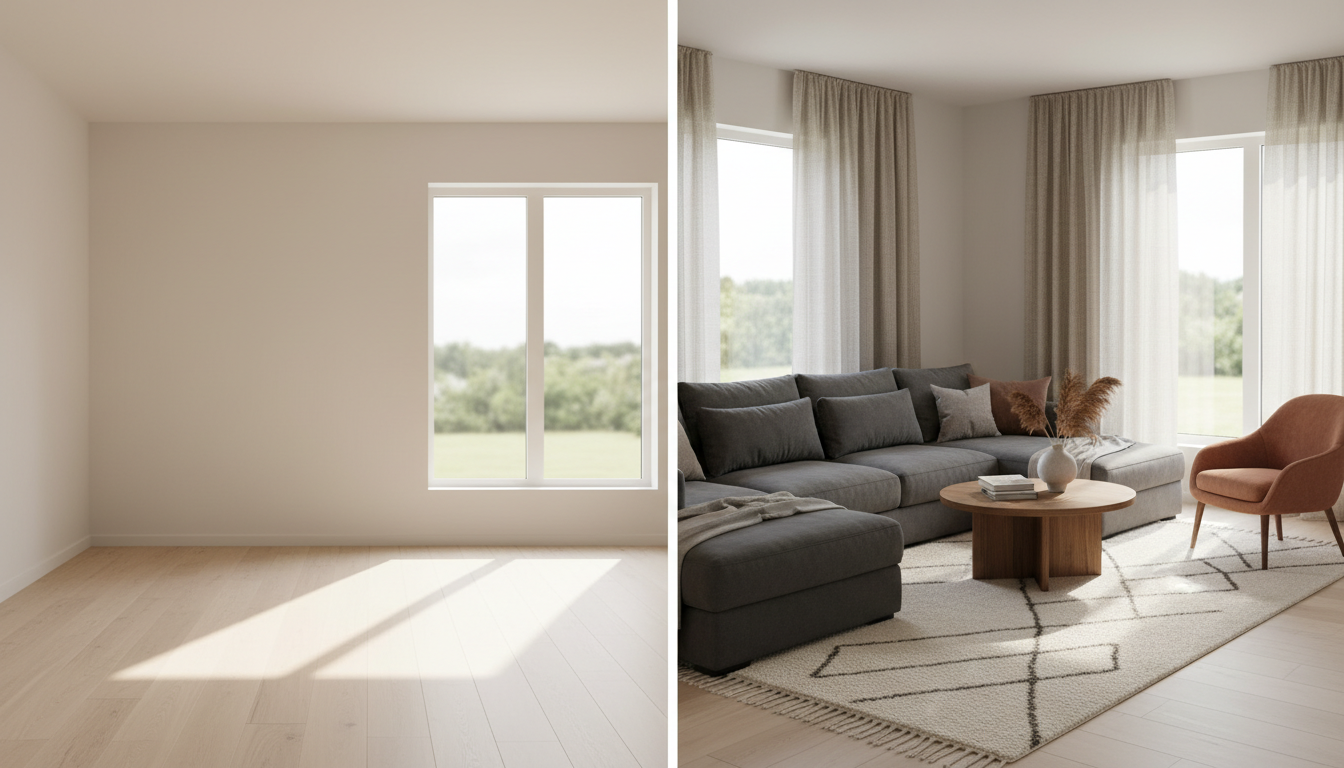
Arranging living room furniture can feel like a high-stakes game of Tetris. You know all the pieces should fit, but getting them to create a space that’s comfortable, functional, and stylish is a common design challenge. The secret isn't just about pushing furniture around; it's about having a smart plan that works with your room's unique shape and purpose.
Before you do any heavy lifting, visualizing your ideas is key. Tools like the AI-powered suitelet you experiment with different arrangements virtually, so you can see what works without moving a single item. This way, you can test drive layouts and find the perfect fit for your home.
The Unbreakable Rules of Furniture Arrangement
No matter your room's size or style, a few foundational principles will always guide you toward a better layout. Mastering these basics ensures your living room feels balanced and easy to navigate.
1. Identify Your Focal Point
Every room needs a focal point—a feature that naturally draws the eye and anchors the space. Your furniture should be arranged to honor it. Common focal points include:
- A fireplace
- A large picture window with a view
- A television and media unit
- A significant piece of artwork
If your room lacks a natural focal point, you can create one with a statement media console or a bold gallery wall. Once you’ve identified it, orient your primary seating toward it.
2. Prioritize Traffic Flow
Your living room shouldn't feel like an obstacle course. Consider the natural pathways people take to enter, exit, or walk through the room. Keep these paths clear to maintain an open and welcoming feel.
3. Key Measurements for a Functional Layout
Good design often comes down to inches. Following these standard measurements ensures your space is both comfortable and functional.
| Element | Ideal Measurement | Why It Matters |
|---|---|---|
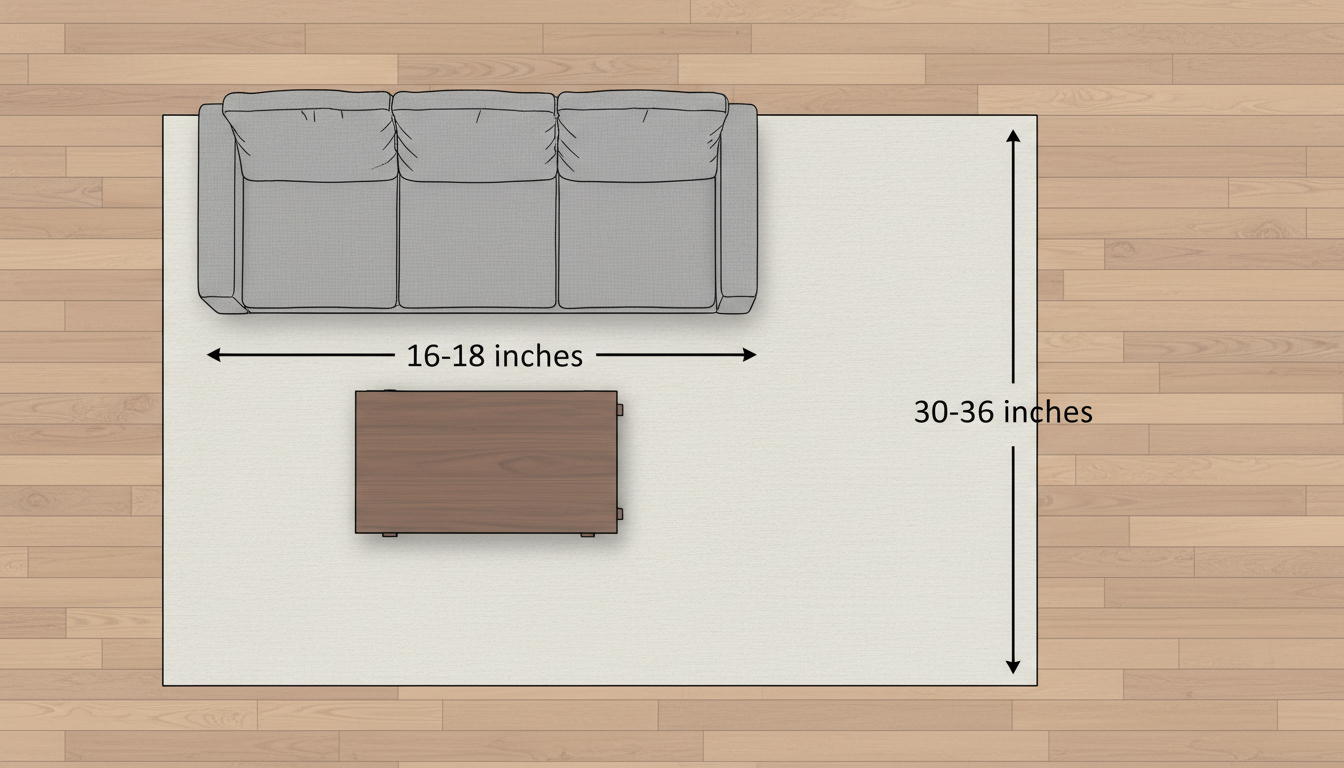
| Major Walkways | 30 to 36 inches | Ensures easy, unobstructed movement through the main parts of the room. |
| Coffee Table to Sofa | 16 to 18 inches | Close enough to reach drinks but far enough to provide ample legroom. |
| Seating Conversation Distance | 3.5 to 10 feet | Keeps people close enough for conversation without feeling cramped or too far apart. |
| Area Rug to Wall | 12 to 24 inches | Leaves a border of flooring that helps define the seating area and makes the room feel larger. |
5 Fail-Safe Living Room Layouts
While every room is different, designers often turn to a few tried-and-true configurations that work in a variety of spaces.
1. The Symmetrical Layout: Two Sofas Facing Each Other
A classic for a reason, placing two sofas opposite each other creates a formal, balanced look that’s perfect for conversation. This arrangement works beautifully in rectangular rooms, with the focal point (like a fireplace) at one end. It naturally encourages interaction by making guests the center of attention.
2. The L-Shaped Layout: A Sofa and Two Chairs
Versatile and relaxed, this layout involves placing a sofa against one wall and two accent chairs at a right angle to it. It’s an excellent choice for open-concept spaces as the arrangement naturally creates a defined corner for your living area. This setup is perfect for both casual lounging and entertaining.
3. The U-Shaped Layout: Maximum Seating
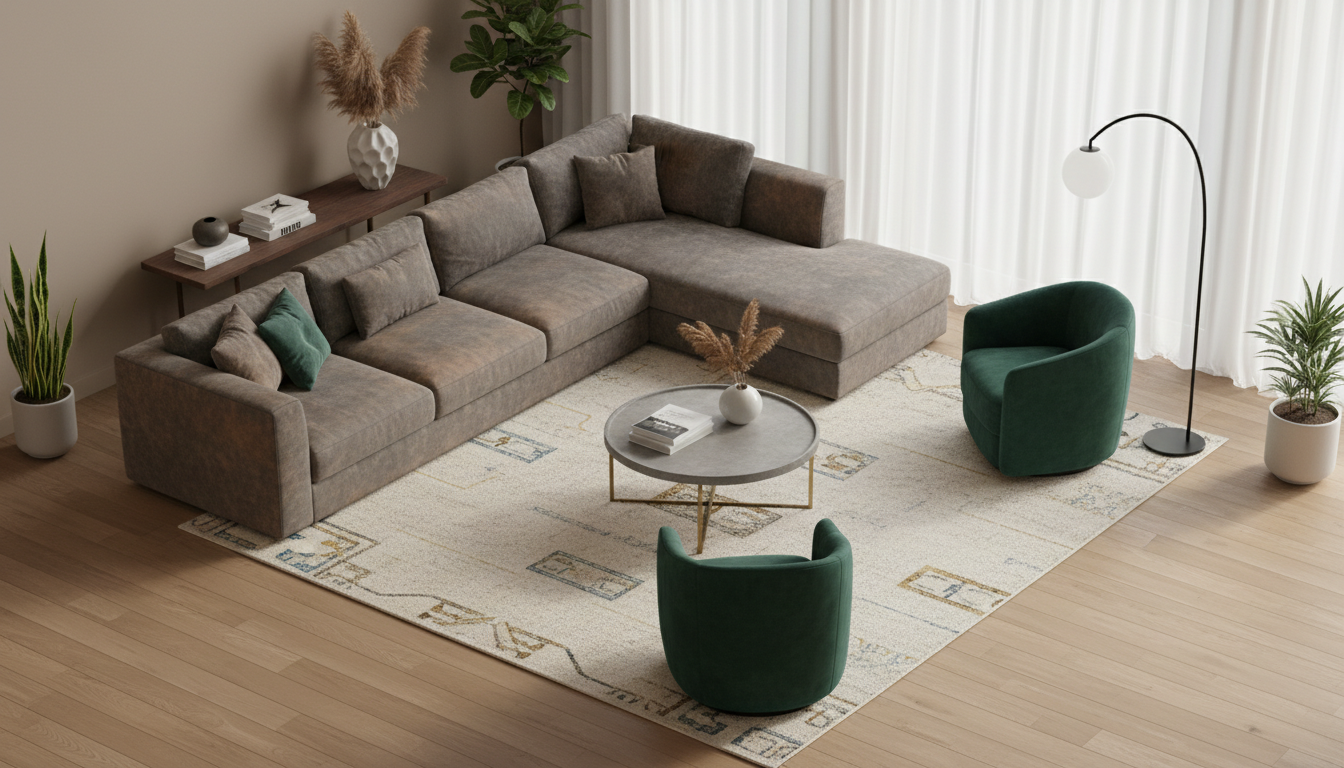
For larger families or those who love to host, a U-shaped configuration offers ample seating and creates a cozy, inclusive atmosphere. Typically formed with a large sofa flanked by two chairs or a loveseat on each side, this layout centers around a coffee table and directs all attention inward, making it ideal for game nights and big gatherings.
4. The Floating Layout: For Open Spaces
In a large or open-concept room, pushing furniture against the walls can make the space feel vast and disconnected. Instead, "float" your furniture by pulling it away from the walls to create an island of seating in the middle of the room. Anchor the grouping with a large area rug to define the living room zone layout.
5. The Conversation Circle: Four Chairs, No Sofa
A modern and chic alternative to a traditional sofa-centric layout is arranging four comfortable chairs around a central coffee or cocktail table. This setup is exceptionally good for rooms dedicated to conversation, creating an intimate and sophisticated feel where every seat is the best in the house.
Solving Common Layout Challenges
Awkward angles, narrow dimensions, and multiple doorways can make furniture placement tricky. Here’s how to tackle some of the most common living room layout problems.
How to Arrange a Long, Narrow Living Room
A long, rectangular room can easily feel like a hallway. The key is to break it up.
- Create Zones: Divide the room into two or more distinct areas. You could have a main seating area for watching TV at one end and a cozy reading nook or a small workspace at the other. Use area rugs to visually separate each zone.
- Use Back-to-Back Sofas: If the room is wide enough, a back to back seating arrangement can create two separate conversation areas, instantly making a large room feel more intimate.
- Float Furniture: Pull furniture away from the long walls to create a central seating group. This establishes a clear walkway and prevents the "bowling alley" effect.
Arranging Furniture in a Small Living Room
In a small space, every inch counts.
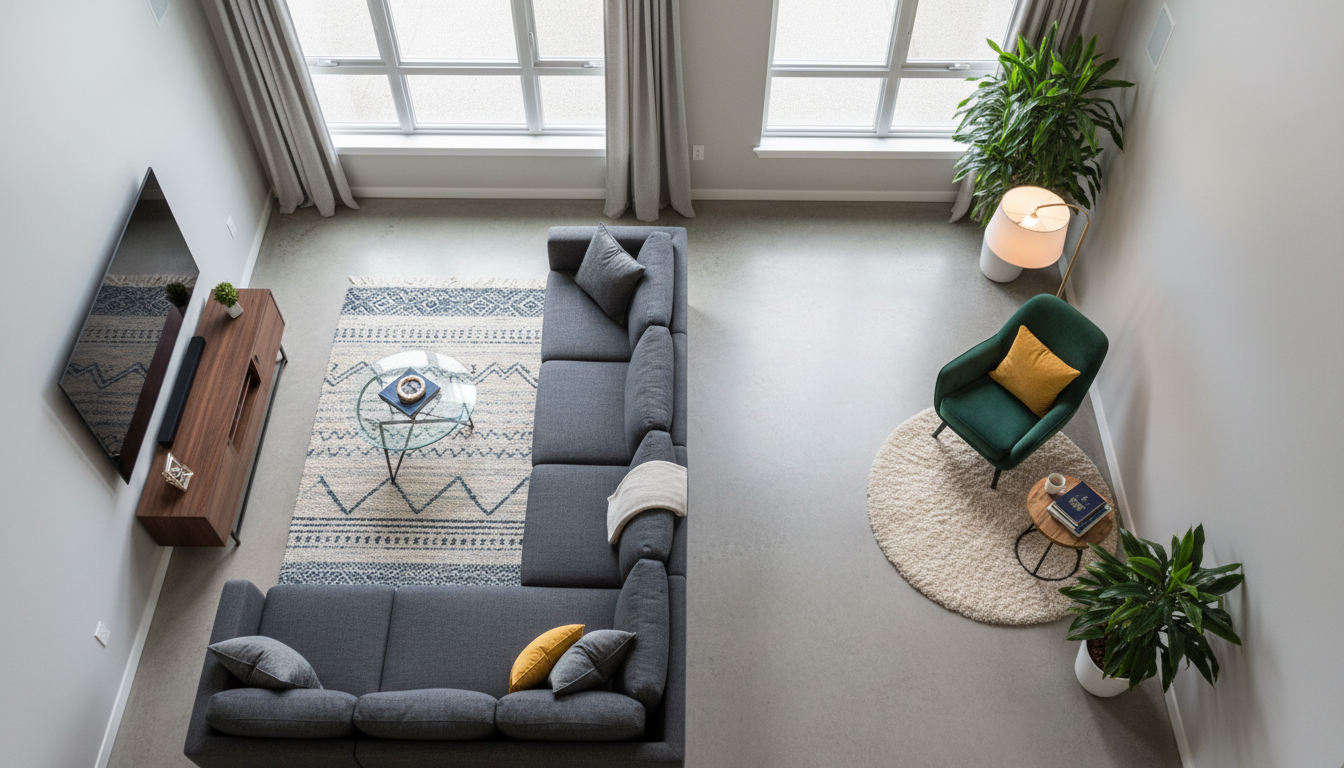
- Scale Down: Choose furniture with a smaller footprint, like a loveseat instead of a bulky sectional. Pieces with visible legs, like mid-century modern sofas, create a sense of openness by allowing you to see the floor underneath.
- Don't Push Against Walls: It’s a common myth that pushing furniture against the walls makes a room look bigger. Pulling your sofa even a few inches away from the wall creates breathing room and makes the layout feel more intentional.
- Go Vertical: Draw the eye upward with tall, narrow bookshelves or floor-to-ceiling curtains to create an illusion of height.
Layouts for an Open-Concept Floor Plan
Without walls, you need to create visual boundaries.
- Use Furniture as Dividers: The back of a sofa is a perfect tool for separating the living area from a dining space or kitchen. Place a slim console table behind the sofa to reinforce the division and add a surface for lamps or decor.
- Anchor with Rugs: A large area rug is the single best way to define a zoned living room layout. Ensure at least the front legs of all your seating pieces are on the rug to create a cohesive grouping.
- Create Clear Pathways: Arrange your furniture to create obvious walkways between the different zones, ensuring the flow from the kitchen to the living area is easy and intuitive.
Tackling Rooms with Awkward Angles or a Corner Fireplace
Unusual architecture requires creative thinking.
- Work with the Angles: Instead of fighting an angled wall, lean into it. Place a sofa or accent chair on a diagonal to complement the room’s unique shape. A diagonal wall living room layout can feel dynamic and intentional.
- Embrace Curves: Soften sharp angles with curved furniture. A round coffee table or a sofa with rounded arms can counteract the room's geometry.
- Corner Fireplace Layouts: Don't let a corner fireplace dictate a cramped arrangement. Float your main sofa facing the corner diagonally, or place it on the longest wall and use swivel chairs to allow guests to face either the fire or the conversation.
The Fireplace and TV Dilemma
One of the most frequent layout challenges is figuring out how to arrange living room furniture with a fireplace and TV. Since both command attention, creating a balanced layout is essential.
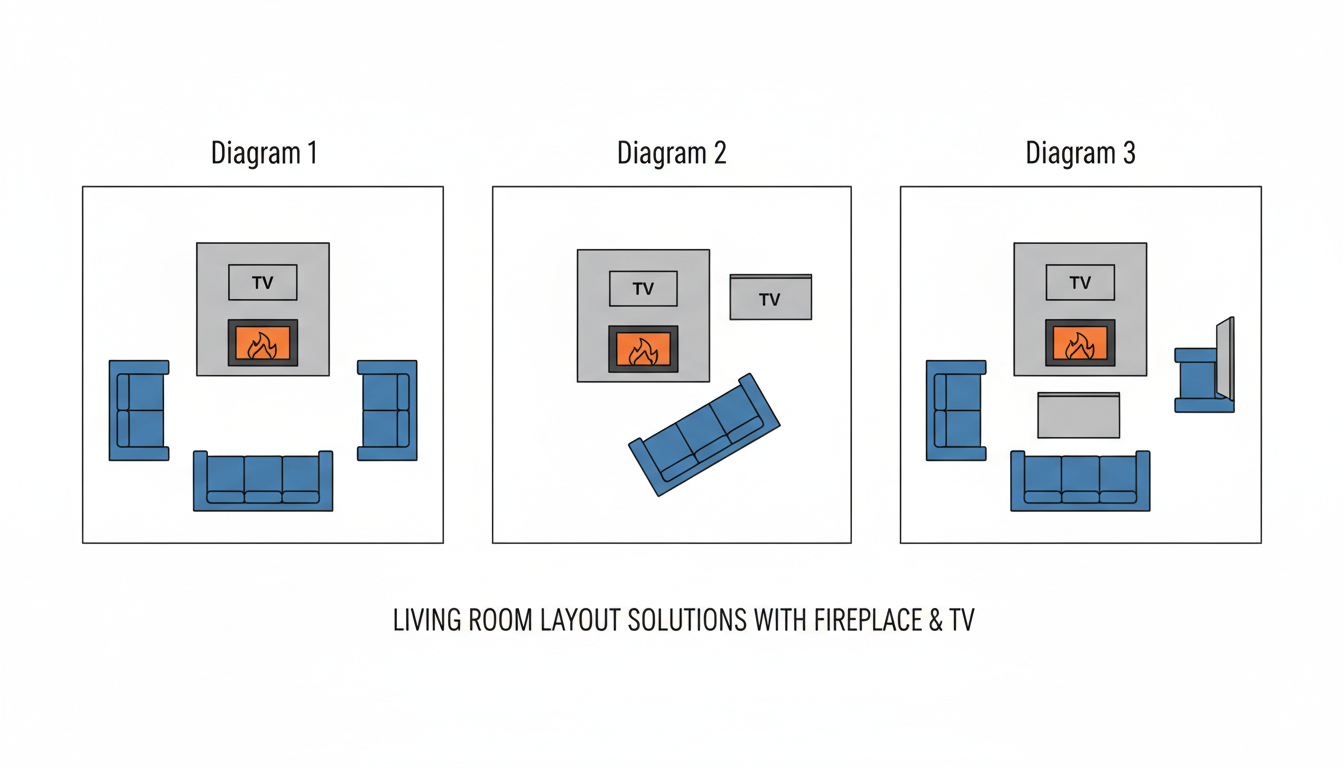
- Option 1: TV Above the Fireplace: This is a popular space-saving solution that creates a single focal point. The main drawback is that the TV is often mounted too high for comfortable viewing. If you choose this, opt for a low-profile mantel and a TV mount that allows you to tilt the screen down.
- Option 2: TV on the Adjacent Wall: Placing the TV on a wall next to the fireplace allows you to create an L-shaped seating arrangement. A sofa can face the fireplace, with chairs oriented toward the TV. This works well but may create two competing focal points.
- Option 3: TV on the Opposite Wall: This setup creates two distinct focal points. To make it work, you need a flexible seating arrangement. Place two sofas facing each other, perpendicular to the fireplace and TV walls. Alternatively, a sofa facing the TV with two swivel chairs opposite allows you to easily turn to enjoy the fire.
Visualize Your Perfect Layout Before You Lift a Finger
Feeling inspired but hesitant to start shoving furniture around? This is where technology becomes your best friend. With Ideal House's AI design tools, you can experiment with any of these layouts risk-free.
- Use the Magic Editor to instantly remove your existing furniture from a photo, giving you a clean slate to plan.
- With the Furniture Try-On tool , you can upload pictures of sofas, chairs, and tables you're considering and see how they look and fit in your actual room.
- For a complete overhaul, the Interior Remodel tool lets you generate entirely new designs in seconds, helping you discover layouts you may have never considered.
- And if you’re ever stuck, you can chat with HouseGPT for personalized advice on everything from furniture placement to color pairings.
A well-thought-out living room layout is the foundation of a space that you’ll love to live in. By understanding the rules, exploring different configurations, and using smart tools to plan, you can create a room that’s not just beautiful, but perfectly suited to your life.